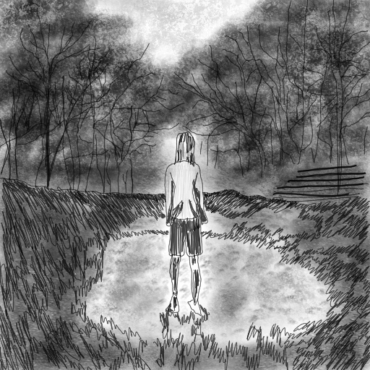
The concept of ‘You are not alone’ echoes frequently within the Narcolepsy community, and for good reason. It acknowledges a shared understanding among us who are navigating this incredibly complex and often debilitating condition. This entire “Not Alone” idea is absolutely real when we consider the formidable challenges we face: the profound impacts of symptoms, the long-term difficulties, and the deeply life-altering effects that shape our existence. It speaks directly to the shared battle against the constant stresses and anxieties that come with managing this disease.
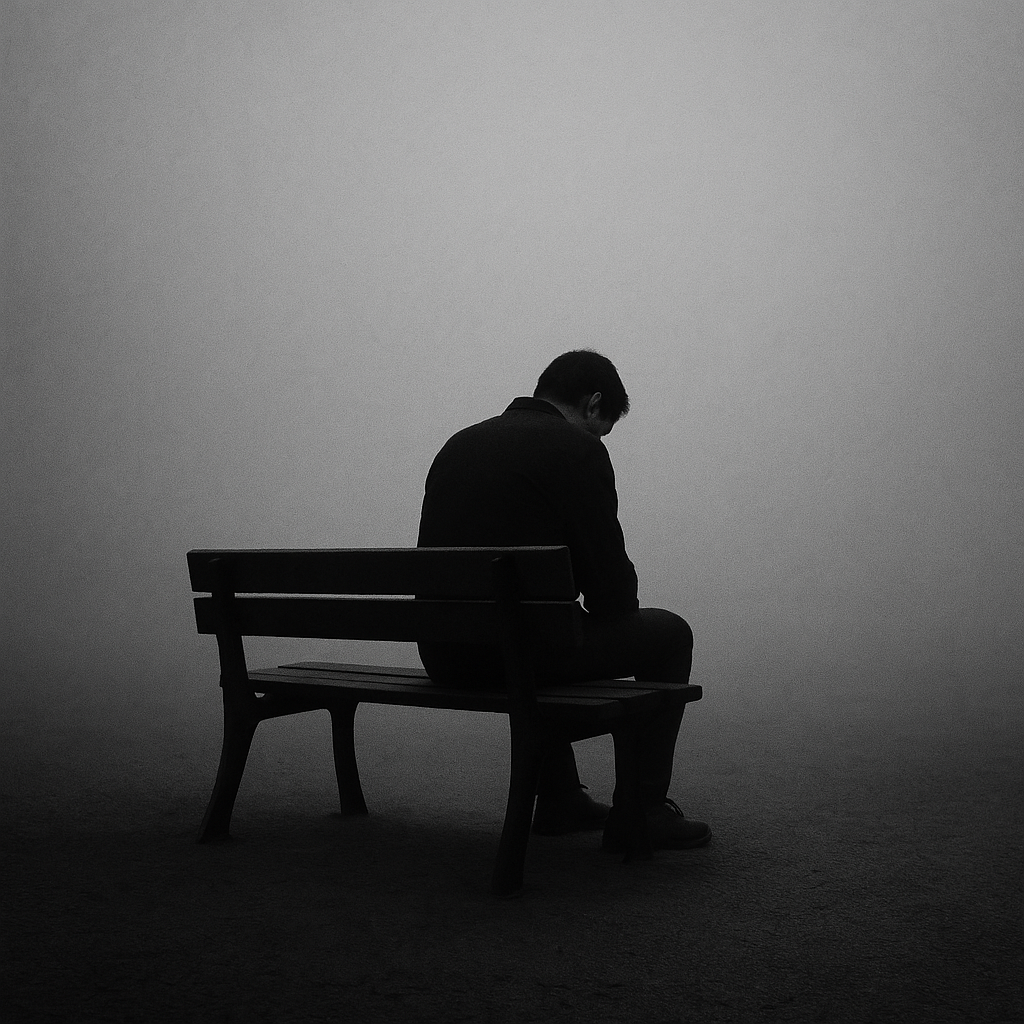
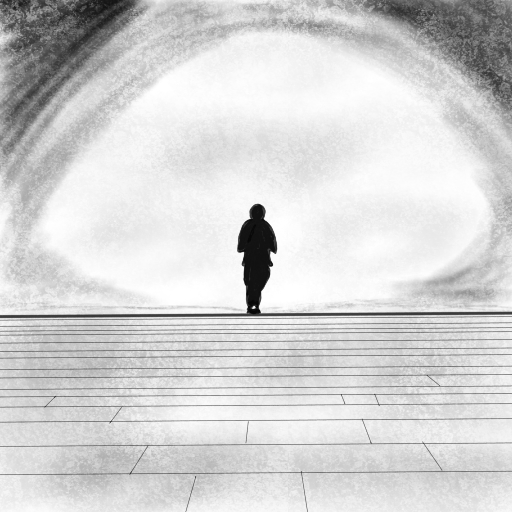
However, there’s a painful paradox embedded within this shared understanding. While many of us are indeed ‘not alone in how we’re affected by the disease,’ the stark reality is that many individuals with Narcolepsy live in extreme isolation, near to entirely alone. This isn’t just a feeling; it’s a lived reality where we may find ourselves without hardly any family, partner relationships, or even friends with whom we genuinely interact. This pervasive lack of connection leads to the undeniable truth that we live as loners, and very much are absolutely alone.
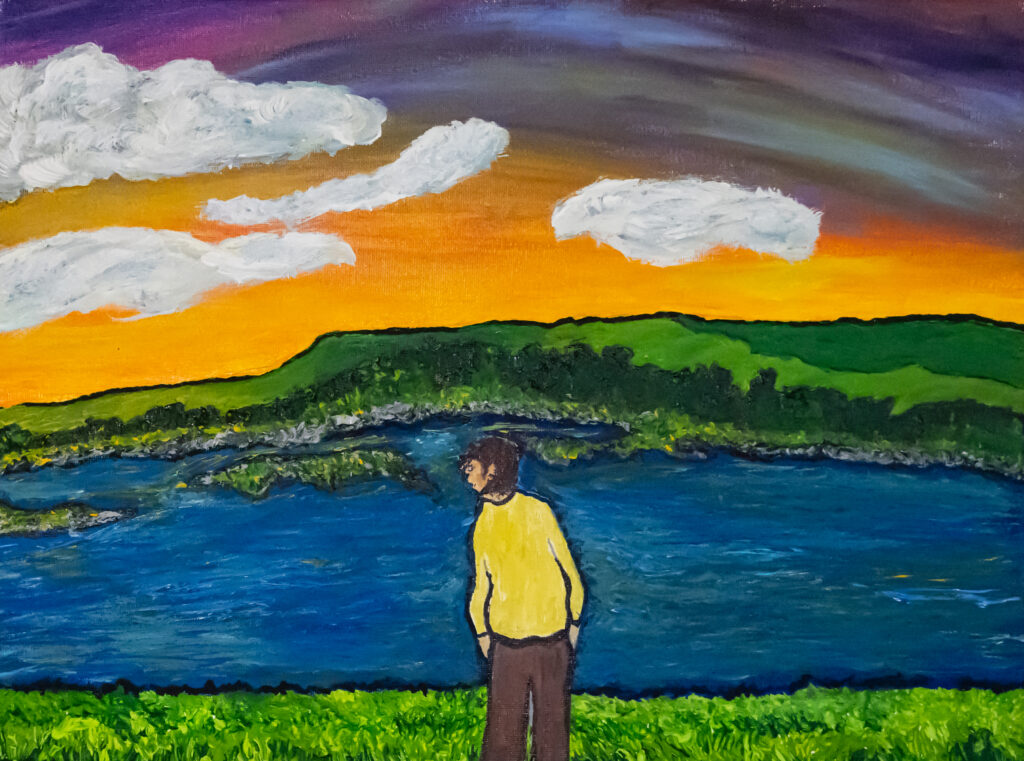
It is crucial to acknowledge that the shared experiences within the Narcolepsy community, while powerful, will not entirely ring true for everyone affected by the disease. The “loner” reality is profoundly real and particularly impactful for individuals who contend with strong moderate-partial and severe-complete Cataplexy that has significantly altered and impacted their lives over time. Similarly, for those who, for various reasons (many of which are directly tied to the deep, impactful elements of the disease across life’s balance and the ability to socialize and succeed in different ways), have not established partner relationships, this sense of absolute isolation is a very real experience. Furthermore, within the Narcolepsy community itself, there’s an observable trend: while the disease is said to affect both sexes equally, the majority of individuals involved in organizations, speaking out, or attending events tend to be female, with males being less vocal or present. This discrepancy might stem from the fact that speaking out about emotions and openly discussing sleep can be particularly difficult and often avoided topics for many men, especially in public forums.
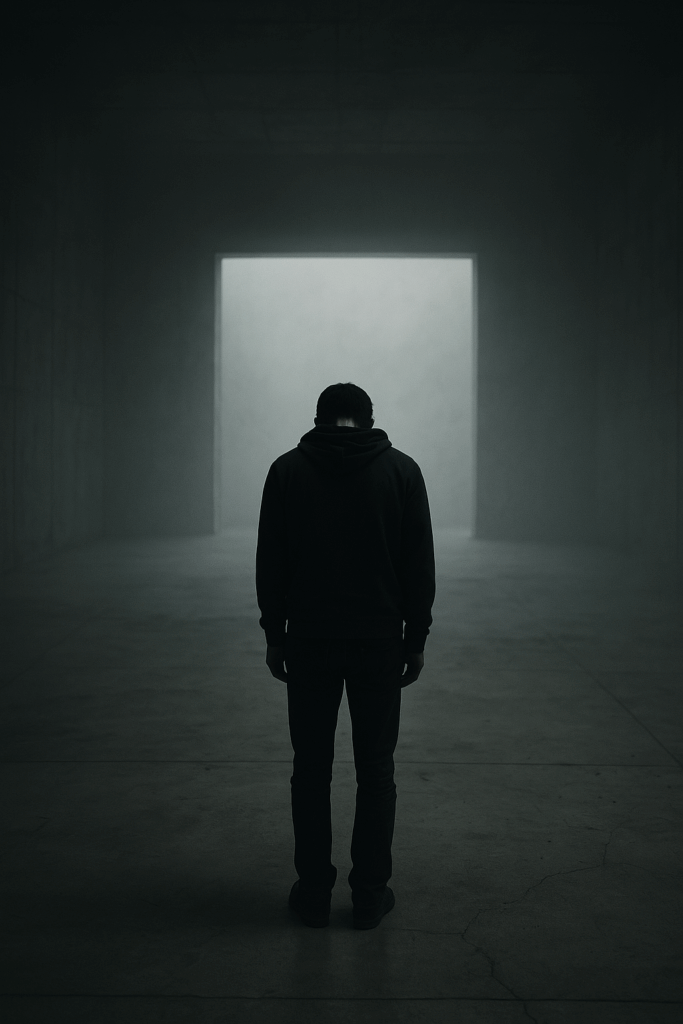
Despite this profound personal isolation, the similarities across those of us who live with this disease are very real and, in many ways, often consistent. These commonalities are deep-seated and – not often surface level, what so ever. Such shared experiences extend not only to those with Narcolepsy but also to individuals suffering from other Hypersomnolence Disorders and many other sleep disorders. Yet, when we speak strictly about Type 1 Narcolepsy, these similarities can become more distinct due to Cataplexy being as vicious of an ordeal as it can be. Even among those with Type 1 Narcolepsy, it’s a small percentage – around 10% or less, truly ‘rare amongst rare‘ – who navigate life as if they have an additional diagnosis, such as Epilepsy or another seizure disorder, on top of their sleep-specific symptoms. The disease impacts, affects, and alters the very depths of one’s persona, character, traits, mannerisms, behaviors, mindset, and reaching far deeper, into one’s fundamental psychological state. Despite often being invisible and sometimes subtle, the effects of Narcolepsy are deeply fierce.
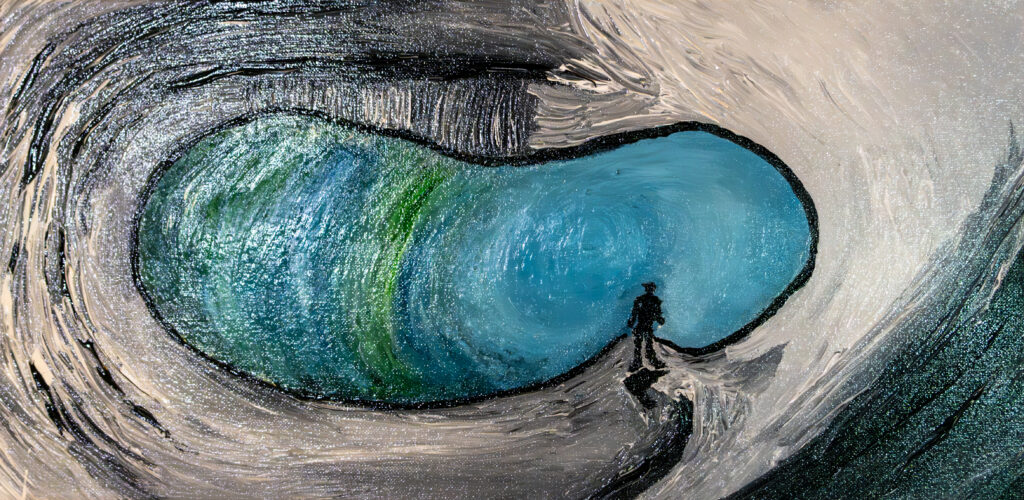
Perhaps the most challenging and isolating aspect of living with Narcolepsy is the widespread lack of comprehension from the general public. The reality seems to be that very few people, from any walk of life- cooks to doctors to whomever – ever truly begin to grasp any bit of our struggle for what it really is. It doesn’t seem to matter how the condition is presented, what words are used to describe it, or even what someone witnesses firsthand; the profound struggle often remains stubbornly misunderstood. This creates an immense barrier to genuine connection and empathy.
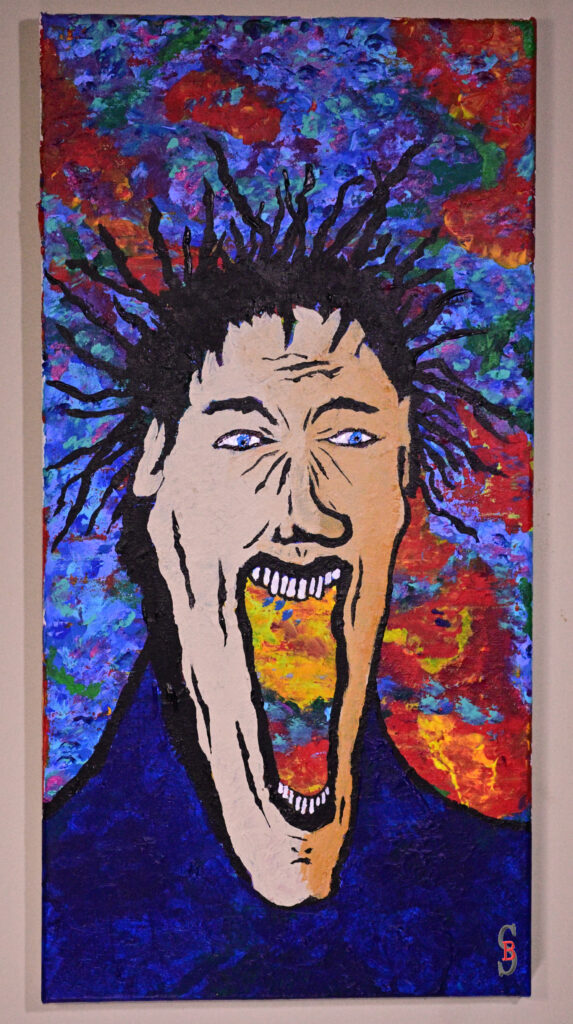
Amidst this pervasive misunderstanding, there are, thankfully, a few incredible people out there who do have the heart, the vision to see and willingness to comprehend elements or extents of what we, living with Narcolepsy, endure. These rare individuals possess an open mind, demonstrate courtesy and respect, and crucially, have a genuine willingness to try to understand. To ever meet and truly know even one such person is, perhaps, a stroke of luck, highlighting just how rare true comprehension and connection can be.
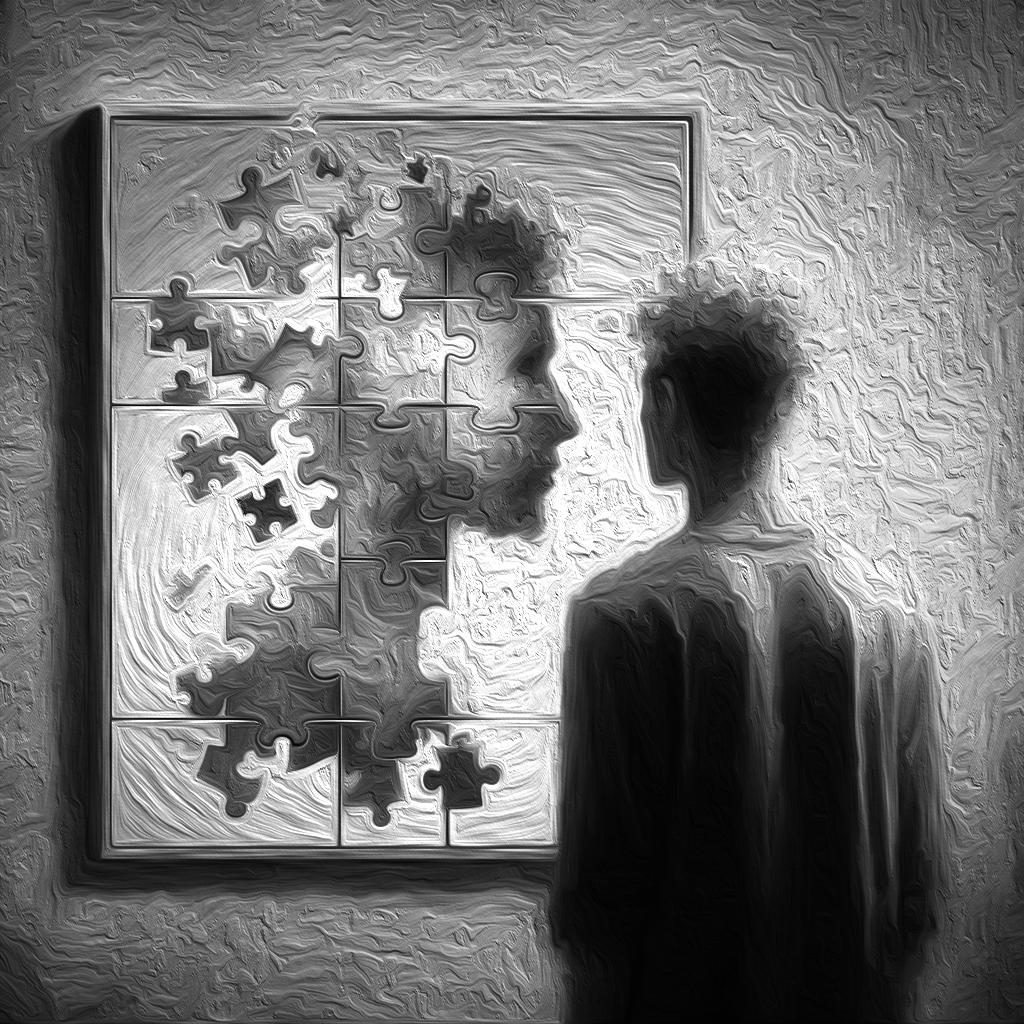
In sum, while online communities like r/Narcolepsy provide a vital space for solidarity and a reminder that we are “not alone” in facing the disease itself, my personal reality, and that of many others, remains one of profound individual isolation and a continuous, deeply personal battle for understanding and acceptance in a world that largely fails to see our invisible struggle.
Disclaimer: The information provided in this article is intended for informational and educational purposes only. Seek a qualified medical professional with expertise in Narcolepsy for diagnosis or treatment. I am not a medical professional.
Spanish/Espanol Translation by Solomon Briggs
Japanese/ソロモン・ブリッグスによる日本語訳
Created by: Solomon Briggs
(aka Narcoplexic)
August 20th, 2025
The Profound Paradox: When “Not Alone” Meets the Absolute Reality of Isolation with Narcolepsy © 2025 by Solomon Briggs is licensed under CC BY-NC 4.0


To view a copy of this license, visit https://creativecommons.org/licenses/by-nc/4.0/
“You may use this tool for non-commercial purposes, but must credit Solomon Briggs