
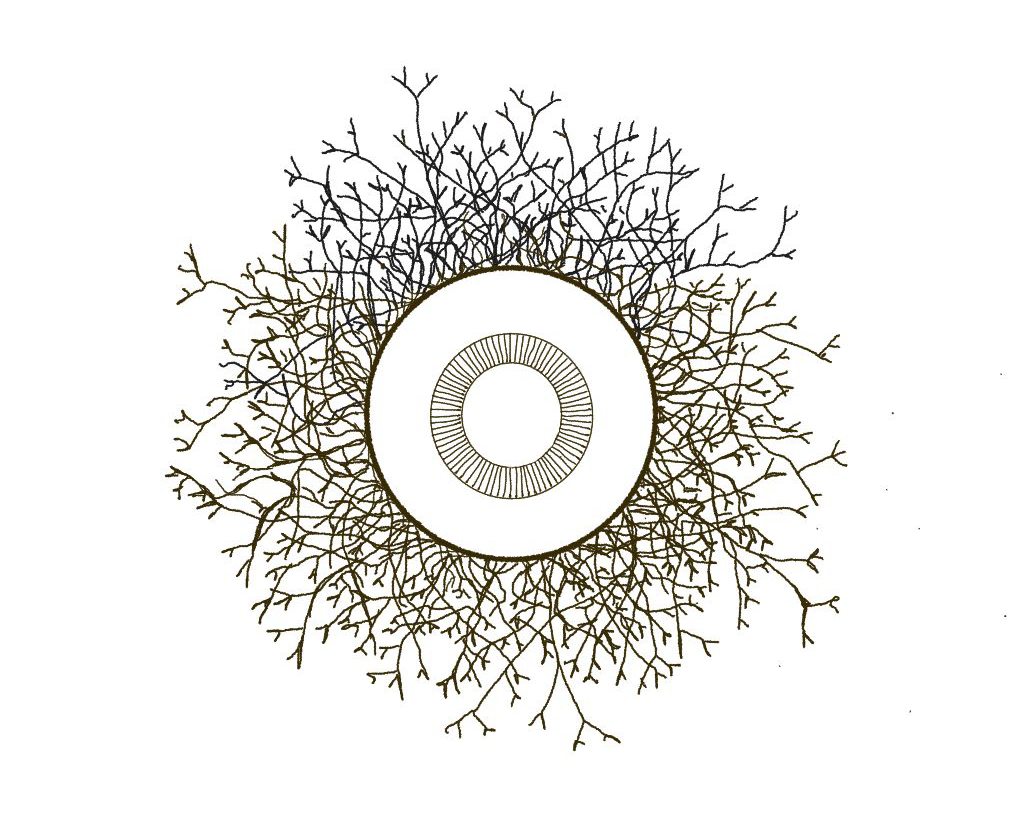
睡眠障害、特に「覚醒している」という私たちの根本的な状態に関わる疾患とともに生きる私たちにとって、来るべき**オレキシン・アゴニスト(作動薬)**への期待は、まるで全く新しい未来の台本を読んでいるかのような感覚にさせてくれます。
ナルコレプシーや、私たちの昼(そして夜)を支配する複雑な神経化学について多くの時間を費やして考えている一人として、オレキシン・システムの背後にある科学的理解、用語、そしてその複雑さを少し噛み砕いて説明したいと思います。具体的には、薬物療法である「アゴニスト」と「アンタゴニスト」を理解するために、オレキシン・ペプチドとオレキシン受容体について掘り下げていきます。
このシステムを理解するには、「鍵と錠(鍵穴)」という単純な例えを使うと分かりやすいかもしれません。
オレキシン・システム:鍵と錠
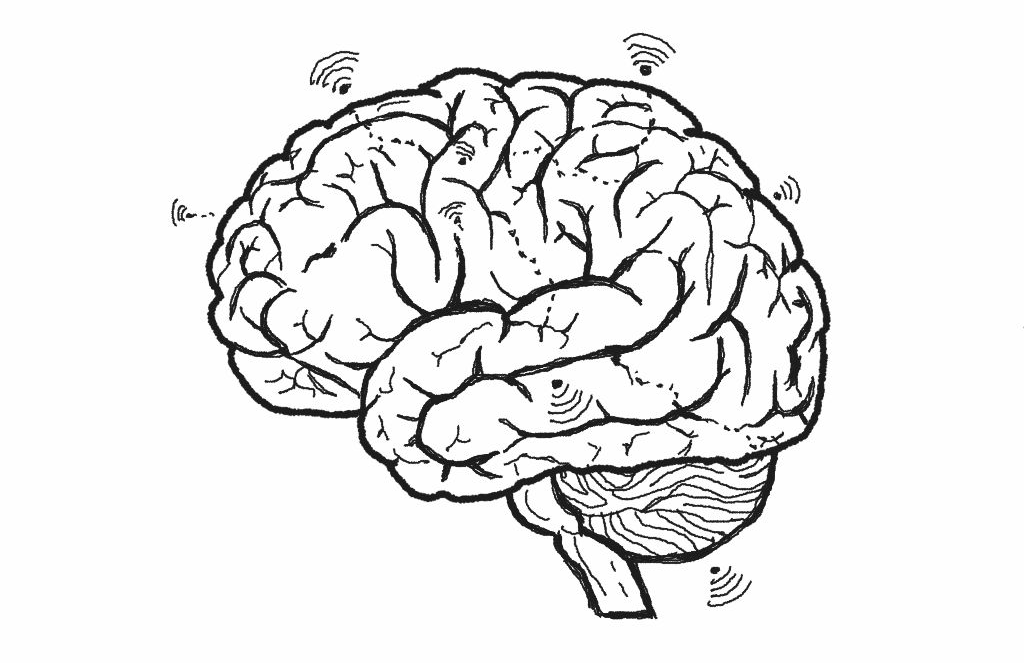
オレキシン自体は、脳内の視床下部の奥深くで作られる、微小で強力な神経ペプチド(化学伝達物質、ホルモン、または神経伝達物質)です [6][12][18]。このペプチドには、オレキシンAとオレキシンBという2つの異なる形態があります [2][8]。これらを**「鍵」**と考えてください。
これらの鍵は、中枢神経系全体にある脳細胞に見られる2種類の「錠」(受容体)に結合します。それが、**オレキシン1受容体(OX1R)とオレキシン2受容体(OX2R)**です [18][2][1][13]。
私がこれまで医学文献を読み、長年にわたりナルコレプシーのカンファレンスやイベントで専門家の話を聞いてきた中での個人的な解釈ですが、この2つのオレキシン・タイプには、わずかに異なる役割があるようです。
- オレキシンBは、主に私たちの中心的な睡眠・覚醒サイクルの調節に関与しているようです [2][4][7][15]。
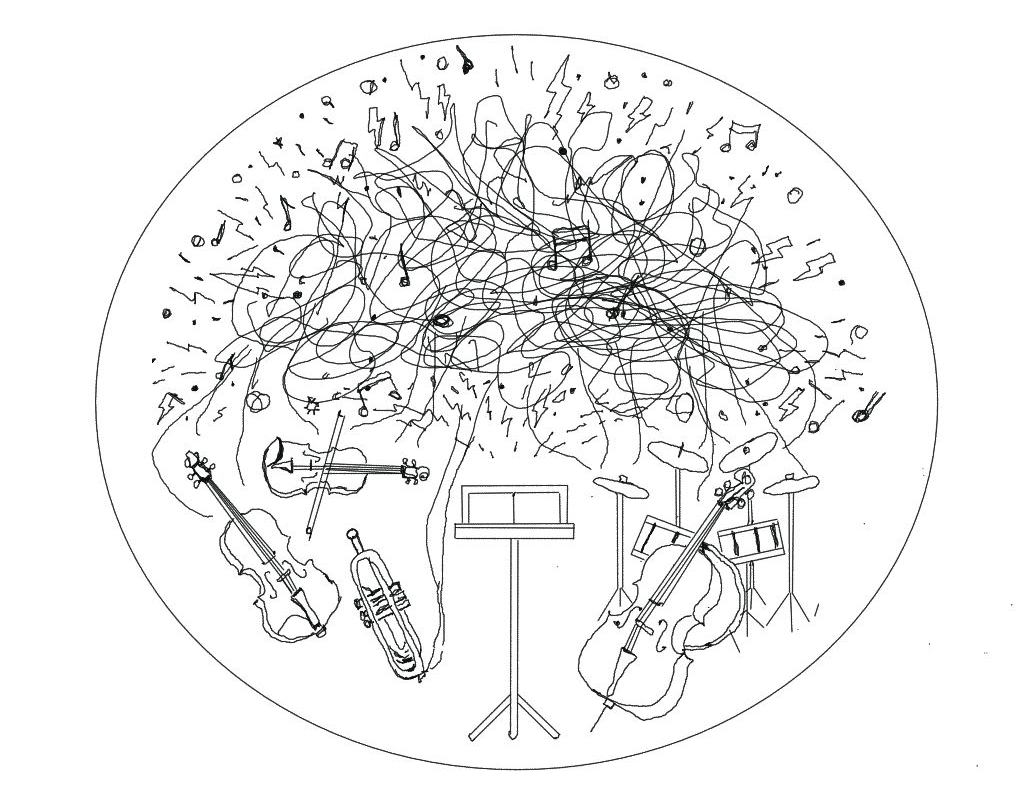
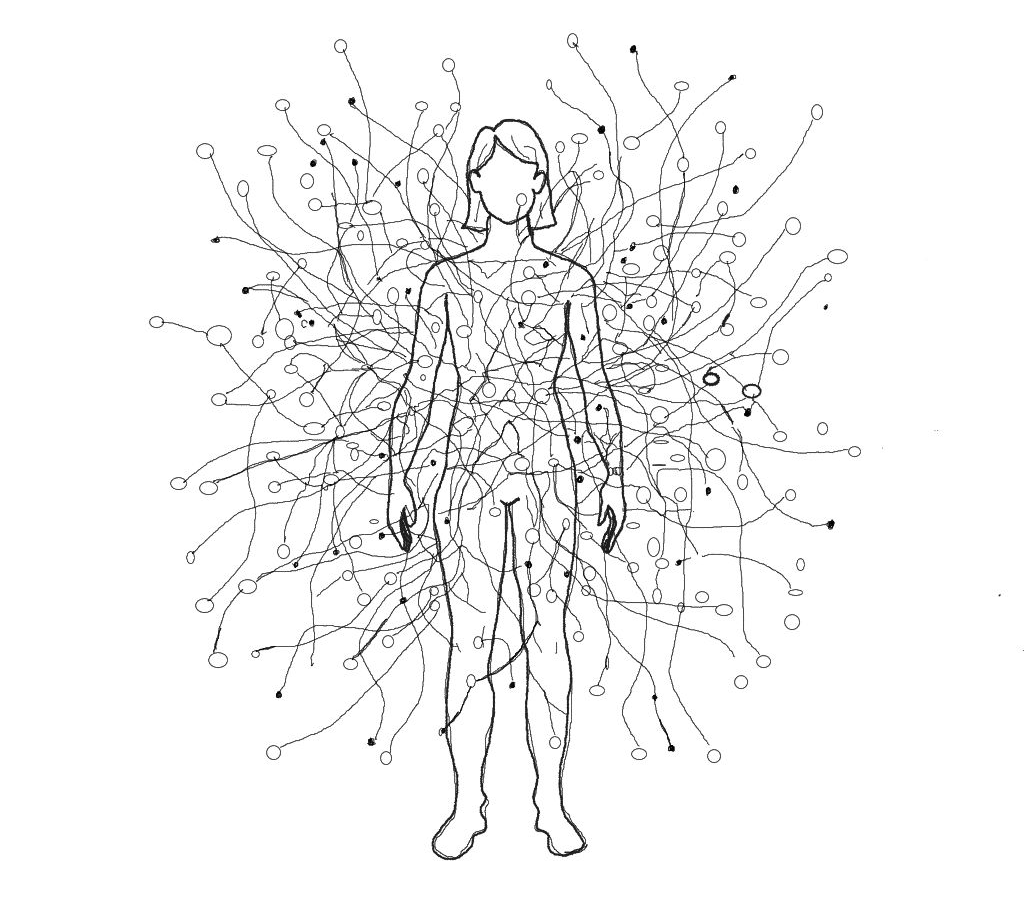
- オレキシンAは、身体の主要な半自律機能、いわゆる神経伝達物質の「オーケストラ」の調節により深く関わっているようです [2][12][18][8]。体温、代謝、筋肉活動、心肺リズムなどがすべて身体的幸福のバランスに関与していると考えてください [6][18][2][8]。オレキシンAはまた、精神的な幸福の維持やバランス調整、エネルギーレベルへの影響、ストレスへの感受性の管理にも関与しています [6][12][18]。
本質的に、私はオレキシンを、アン・マリー・モース博士(Dr. Anne Marie Morse / DAMMGoodSleep.com)があるプレゼンテーションで言及していたように、身体の神経伝達物質という「オーケストラの調整役/指揮者」として捉えています。
パート1:オレキシン・アンタゴニスト(錠をブロックする)
アンタゴニスト(拮抗薬)は、アゴニスト(作動薬)の反対です。この文脈において、オレキシン・アンタゴニストは、オレキシン1およびオレキシン2受容体の活動をブロックまたは制限することによって機能します [2]。
オレキシンの「鍵」が「錠」に結合するのを阻止することで、これらの薬剤はオレキシンの活動を遅らせたり、減少させたりします [2]。これらは、根本的なオレキシン不足を悪化させることになるため、ナルコレプシーの患者を対象としたものではありません [1]。
使用例:不眠症およびオピオイド依存/中毒
オレキシン・アンタゴニストは、不眠症などの睡眠障害の治療に使用され、睡眠の質と時間の両方を改善するのに役立ちます [18]。これらの薬剤は、両方の受容体(OX1RとOX2R)を標的とするため、**二重オレキシン受容体拮抗薬(DORA)**として知られています [2]。
現在市場に出ているFDA承認済みのDORAには、スボレキサント(ベルソムラ)、レンボレキサント(デエビゴ)、ダリドレキサント(Quviviq)などがあります [2][17]。これらの薬剤は、古い薬のように鎮静作用によって睡眠を誘発しようとするのではなく、脳内の覚醒を刺激する信号を防ぐことを目的としています [2]。
オレキシンが「オピオイド中毒において主要な役割」を果たしているという興味深い科学的知見があり [16][17]、これは快楽との関連性が指摘されていることと一致しています [16]。「慢性的なオピオイド使用は、実際にヒポクレチン産生ニューロンの数を増加させる」のです [17](ヒポクレチンはオレキシンと同じものです。同じ年に別の状況で別の研究者によって発見されたため、名前が異なっているだけです)[6][12][18]。2024年のある研究では、「ヒポクレチン受容体をブロックすることでオピオイド依存を防ぐことができる」ことが判明しました [17]。この発見の将来的な応用として、「スボレキサントを処方オピオイドと組み合わせる」ことで、「オピオイド中毒や過剰摂取を減少させる」ことができる可能性があります [17]。
パート2:オレキシン・アゴニスト(マスターキー)
アンタゴニストが覚醒をブロックするなら、**アゴニスト(作動薬)**はオレキシンの活動を強化または増加させるように設計されています [18][3][4]。
現在開発中のアゴニストは、天然の神経ペプチドであるオレキシンBの主要な受容体標的である**オレキシン2受容体(OX2R)**を選択的に活性化するように設計された、新しい合成低分子です [6][2][4][7][3]。
ナルコレプシー・タイプ1(NT1)を標的とする
私たちナルコレプシー・タイプ1(NT1)の患者にとって、課題はオレキシン・システムそのものに根ざしています。私たちはオレキシン・ペプチドを産生するニューロンを失っているようであり、その結果、脳内のオレキシンレベルが非常に低いか、または欠如しています [16][4][6][15]。
元のオレキシン・ペプチドが物理的に失われているのか、それとも単に不活性で受容体と適切に結合できないだけなのかを特定するのは難しいことがよくあります。しかし、ここで重要な詳細があります。ペプチドが欠けている一方で、オレキシン受容体(錠)は多くの場合、まだ無傷で残っているということです [7]。
臨床試験中の現在のオレキシン・アゴニストは、欠けているオレキシン細胞やペプチドをある程度複製することに焦点を当てています。重要なのは、これらの薬剤が主にオレキシン2受容体(OX2R)に対して選択的であるということです [6][4][7][3]。
私はそれらが**「マスターキー」**と表現されるのを見たことがあります。これらは本質的に、オレキシン2受容体と特異的に結合し、その接続を「解錠」するように設計されたオレキシン2ペプチドのバージョンなのです。
現在開発中の選択的OX2Rアゴニスト(TAK-861やダナボレキストンなど)は、OX2Rを直接活性化することで自然な覚醒を回復することを目指していることは注目に値します [7][3][4][5]。NT1ではオレキシン・システム全体が関与していますが、これらの選択的アゴニストはオレキシンAペプチドやオレキシン1受容体に関しては何もしないため、これは重要です [5]。研究によると、モデルにおいてOX2Rの活性化だけでも、情動脱力発作(カタプレキシー)や睡眠・覚醒の分断といった主要なナルコレプシー症状を改善するのに十分であることが示唆されています [7][14][4]。
これがどう展開していくのか、非常に興味深いところです。

現在の焦点:覚醒(Wakefulness)
現在、様々な異なる配合がテストされており、それぞれがオレキシンBペプチドのわずかに異なるバリエーションを表しています [6][3]。
これらの治験の現在の主な目標は明確です。それは覚醒を強化すること、つまり「目を長く開けておくこと」です [4]。臨床研究では、覚醒維持検査(MWT)やエプワース眠気尺度(ESS)などのテストを通じてこれを測定しています [4][9][11][10]。
この「持続的な覚醒」という目標は、例えば、注意力を完全に助けること、常に存在する「脳の霧(ブレインフォグ)」を晴らすこと、あるいは分断され乱れた夜間睡眠を解決することとは異なるかもしれません。それらの他の症状はまだ特定の焦点ではありません。これは落胆させるためのものではなく、このシステムがいかに複雑か、そしてナルコレプシーという病気が実際にいかに複雑かという現実的な見方に過ぎません。
繰り返しになりますが、時が経てばわかることですが、私はこの科学の未来が良い意味で私の予想を裏切ってくれること(嬉しい驚きとなること)を期待しています。
参考文献
[1.] Rocha BR, et al. (2023). Dual orexin receptor antagonists for the treatment of insomnia: Systematic review and network meta-analysis. From: https://www.thieme-connect.com/products/ejournals/pdf/10.1055/s-0043-1768667.pdf
[2.] Dual orexin receptor antagonists (DORAs) are a newer class of insomnia medications (Medically reviewed by Alexandra Perez, PharmD, MBA, BCGP — Written by Heather Hobbs — Updated on February 1, 2024). From: https://pmc.ncbi.nlm.nih.gov/articles/PMC10232020/
[3.] Dual orexin receptor antagonists show distinct effects on locomotor performance, ethanol interaction and sleep architecture relative to gamma-aminobutyric acid-A receptor modulators. (Ramirez et al., 2013). From: https://www.frontiersin.org/journals/neuroscience/articles/10.3389/fnins.2013.00254/full
[4.] Oveporexton (TAK-861): A Breakthrough Orexin Agonist for Narcolepsy Treatment (Sep 18, 2025). From: https://www.musechem.com/blog/oveporexton-tak-861-a-breakthrough-orexin-agonist-for-narcolepsy-treatment/
[5.] Oveporexton, an Oral Orexin Receptor 2-Selective Agonist, in Narcolepsy Type 1 (Dauvilliers et al., May 2025). From: https://www.nejm.org/doi/full/10.1056/NEJMoa2405847
[6.] Orexin Deficiency in Narcolepsy: Molecular Mechanisms, Clinical Phenotypes, and Emerging Therapeutic Frontiers (Rauf et al., Oct 2025). From: https://onlinelibrary.wiley.com/doi/10.1002/brb3.70984
[7.] Hypocretin: a promising target for the regulation of homeostasis (Wang et al., Aug 2025). From: https://www.frontiersin.org/journals/neuroscience/articles/10.3389/fnins.2025.1638270/full
[8.] Orexin 2 receptor–selective agonist danavorexton improves narcolepsy phenotype in a mouse model and in human patients (Evans et al., Aug 2022). From: https://www.pnas.org/doi/pdf/10.1073/pnas.2207531119
[9.] Evolution of Orexin Neuropeptide System: Structure and Function (Soya and Sakurai, Jul 2020). From: https://www.frontiersin.org/journals/neuroscience/articles/10.3389/fnins.2020.00691/full
[10.] A New Method for Measuring Daytime Sleepiness: The Epworth Sleepiness Scale (Johns, Jan 1992). From: https://ictp.uw.edu/sites/default/files/Johns%20Epworth%20Sleepiness%20Scale%201991.pdf
[11.] A normative study of the maintenance of wakefulness test (MWT) (Doghramji et al., Dec 1997). From: https://pubmed.ncbi.nlm.nih.gov/9402886/
[12.] Practice parameters for clinical use of the Multiple Seep Latency Test and the Maintenance of Wakefulness Test (Littner et al., Feb 2005). From: https://aasm.org/resources/practiceparameters/pp_msltmwt.pdf
[13.] Hypocretins (orexins): The ultimate translational neuropeptides (Jacobson et al., Jan 2022). From: https://onlinelibrary.wiley.com/doi/10.1111/joim.13406
[14.] Differential expression of orexin receptors 1 and 2 in the rat brain (Marcus et al., Jun 2001). From: pubmed.ncbi.nlm.nih.gov/11370008/
[15.] The Role of Cerebrospinal Fluid Hypocretin Measurement in the Diagnosis of Narcolepsy and Other Hypersomnias (Lammers et al., Nov 2002). From: https://jamanetwork.com/journals/jamaneurology/fullarticle/782942
[16.] OX2R-selective orexin agonism is sufficient to ameliorate narcoleptic symptoms, cataplexy and sleep/… (Ishikawa et al., Mar 2020). From: https://journals.plos.org/plosone/article?id=10.1371/journal.pone.0271901 [17.] Sleep Research | Semel Institute for Neuroscience and Human Behavior. From: https://teams.semel.ucla.edu/sleep-research
[18.] What are Orexin receptor agonists and how do they work? (25 June 2024). From: https://synapse.patsnap.com/article/what-are-orexin-receptor-agonists-and-how-do-they-work
追加参考文献
Ardeljan AD, et al. (2023). Lemborexant.
• Atkin T, Comai S, Gobbi G (April 2018). Drugs for Insomnia beyond Benzodiazepines: Pharmacology, Clinical Applications, and Discovery. Pharmacological Reviews.
• Bijlenga D, Overeem S, Fronczek R, Lammers GJ (Apr 2022). Usefulness of the Maintenance of Wakefulness Test in central disorders of hypersomnolence: a scoping review.
• Calipari ES, España RA (2012). Hypocretin/orexin regulation of dopamine signaling: implications for reward and reinforcement mechanisms. Frontiers in Behavioral Neuroscience.
• Chakraborty DS, et al. (2023). Daridorexant, a recently approved dual orexin receptor antagonists (DORA) in treatment of insomnia.
• Clark JW, Brian ML, Drummond SP, Hoyer D, Jacobson LH (October 2020). Effects of orexin receptor antagonism on human sleep architecture: A systematic review. Sleep Medicine Reviews.
• Coleman PJ, Gotter AL, Herring WJ, Winrow CJ, Renger JJ (January 2017). The Discovery of Suvorexant, the First Orexin Receptor Drug for Insomnia. Annual Review of Pharmacology and Toxicology.
• Fox, S. V., Gotter, A. L., Tye, S. J., Garson, S. L., Savitz, A. T., Uslaner, J. M., et al. (2013). Quantitative electroencephalography within sleep/wake states differentiates GABA-A modulators eszopiclone and zolpidem from dual orexin receptor antagonists in rats. Neuropsychopharmacology.
• Gatfield J, Brisbare-Roch C, Jenck F, Boss C (August 2010). Orexin receptor antagonists: a new concept in CNS disorders?. ChemMedChem.
• Gotter AL, Webber AL, Coleman PJ, Renger JJ, Winrow CJ (July 2012). International Union of Basic and Clinical Pharmacology. LXXXVI. Orexin receptor function, nomenclature and pharmacology. Pharmacological Reviews.
• Gotter, A. L., et al. (2021). Discovery of Takeda’s Selective Orexin-2 Receptor Agonists (SORAs) for the Treatment of Narcolepsy: A Journey from Peptides to Non-Peptide Agonists. Journal of Medicinal Chemistry.
• Kishi T, Nishida M, Koebis M, Taninaga T, Muramoto K, Kubota N, et al. (December 2021). Evidence-based insomnia treatment strategy using novel orexin antagonists: A review.
• Kuriyama A, Tabata H (October 2017). Suvorexant for the treatment of primary insomnia: A systematic review and meta-analysis. Sleep Medicine Reviews.
• Liblau RS, Vassalli A, Seifinejad A, Tafti M (March 2015). Hypocretin (orexin) biology and the pathophysiology of narcolepsy with cataplexy. The Lancet. Neurology.
• McGregor, R., Wu, M. F., Thannickal, T. C., Li, S., & Siegel, J. M. (2024). Opioid-induced neuroanatomical, microglial and behavioral changes are blocked by suvorexant without diminishing opioid analgesia. Nature Mental Health.
• Mieda M, Sakurai T (February 2013). Orexin (hypocretin) receptor agonists and antagonists for treatment of sleep disorders. Rationale for development and current status. CNS Drugs.
• Nishino S, Okuro M, Kotorii N, Anegawa E, Ishimaru Y, Matsumura M, et al. (March 2010). Hypocretin/orexin and narcolepsy: new basic and clinical insights. Acta Physiologica.
• Rosenberg R, et al. (2019). Comparison of lemborexant with placebo and zolpidem tartrate extended release for the treatment of older adults with insomnia disorder.
• Sakurai T (Apr 2007). The neural circuit of orexin (hypocretin): Maintaining sleep and wakefulness. NAT REV NEUROSCI.
• Scammell TE, Winrow CJ (2011). Orexin receptors: pharmacology and therapeutic opportunities. Annual Review of Pharmacology and Toxicology.
• Snyder E, et al. (Jul 2023). Oral Orexin Receptor 2 Agonist in Narcolepsy Type 1. NEW ENGL J MED.
• Takeda Development Center Americas (Funded by Takeda Development Center Americas).
• Trivedi P, Yu H, MacNeil D J, Van der Ploeg, L. H. T., and Guan, X. M. (1998). Distribution of orexin receptor mRNA in the rat brain. FEBS Lett.
• Winrow C J, Gotter A L, Cox C D, Doran S M, Tannenbaum P L, Breslin M J, et al. (2011). Promotion of sleep by suvorexant – a novel dual orexin receptor antagonist.
• Zammit G., et al. (2020). Daridorexant, a new dual orexin receptor antagonist, in elderly subjects with insomnia disorder.
この文書に記載されている情報は、情報提供と教育のみを目的としています。診断や治療については、ナルコレプシーに関する専門知識を持つ医療専門家にご相談ください。私は医療専門家ではありません。
以下の日本語訳が適切です。
これらの翻訳は自動ツールを使用して作成されており、ネイティブまたは流暢な話者による校正は行われておりません。文法的な誤り、言語上または文脈上の不一致についてはご容赦ください。
English version
Spanish/Espanol Translation
著者:ソロモン・ブリッグス (別名:ナルコプレクシック) 2025年8月26日
オレキシン:「鍵」の細胞から「錠」の受容体へ — アゴニストとアンタゴニストの理解 © 2025 by Solomon Briggs is licensed under CC BY-NC 4.0


このライセンスのコピーを見るには、https://creativecommons.org/licenses/by-nc/4.0/ をご覧ください。「あなたは非営利目的でこのツールを使用することができますが、ソロモン・ブリッグスをクレジットに記載しなければなりません。」