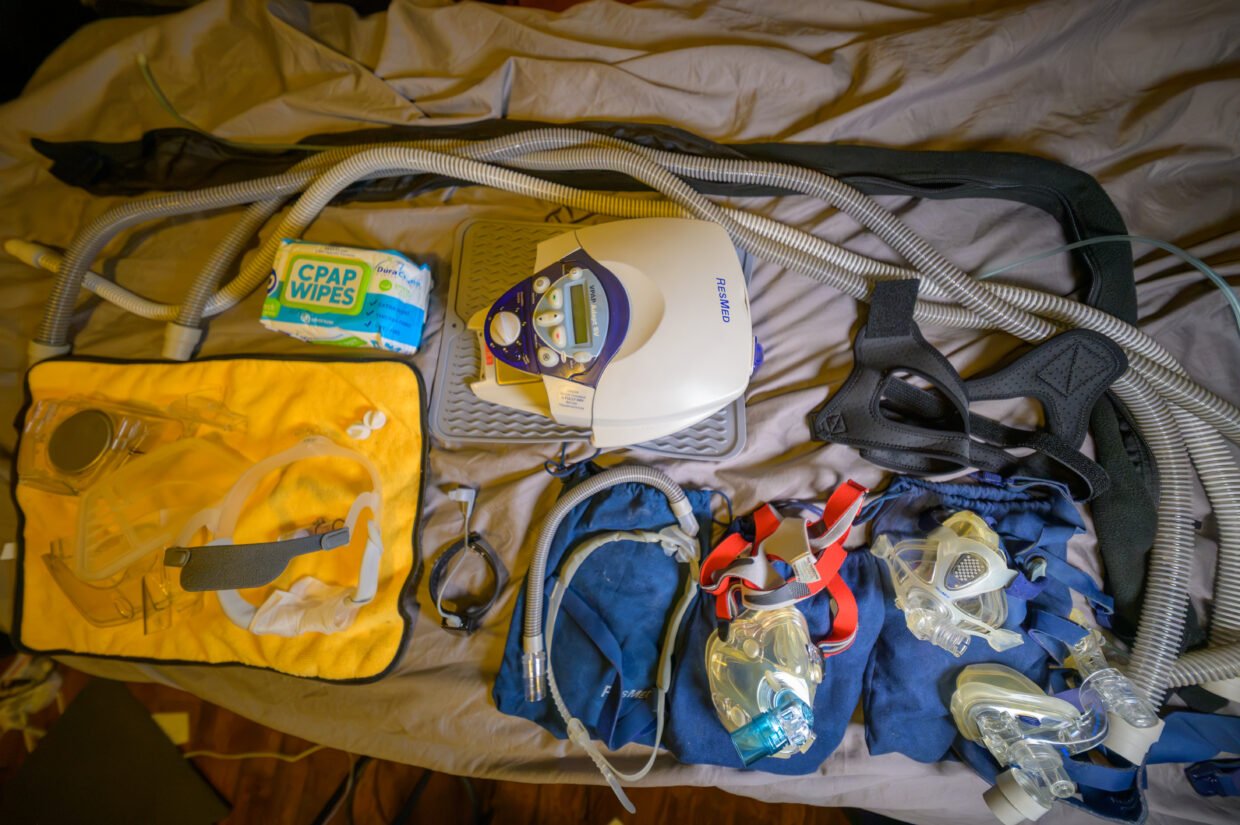
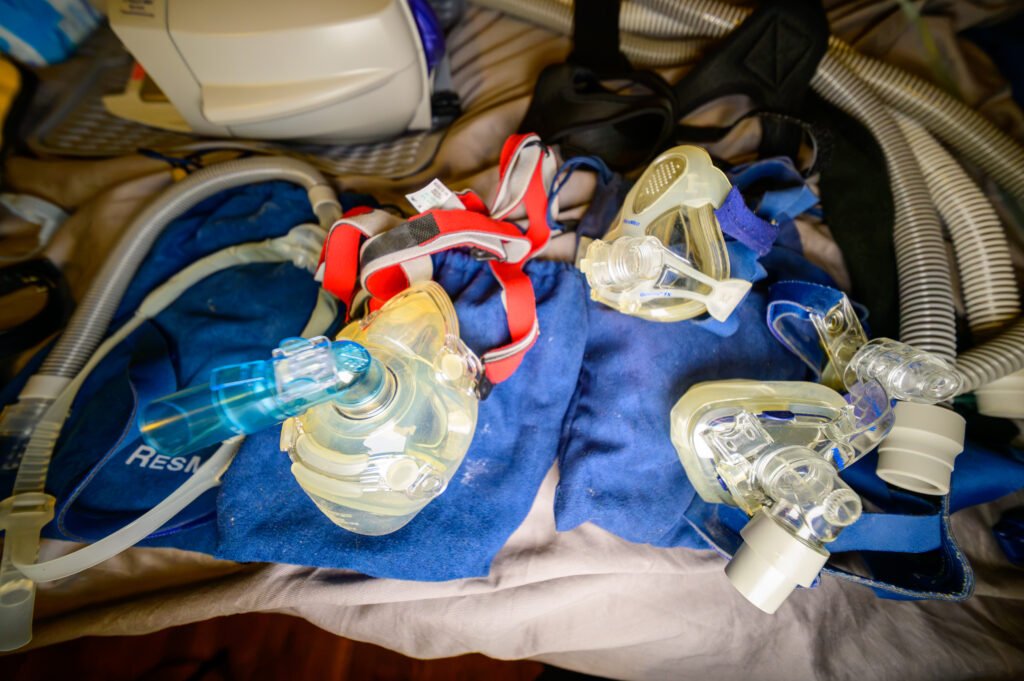
Positive Airway Pressure (PAP) therapy was a brutal ordeal for me. Whatever this apnea issue actually is, it has been a relentless rollercoaster with severe consequences.
A little over 16 years ago, I went through hell trying to make PAP therapy work. After a mild AHI showed up on my first polysomnogram, I was put on a CPAP. A month later, I was switched to a BiPAP ST, and weeks after that, a VPAP ASV. My diagnosis shifted from obstructive sleep apnea to central sleep apnea, and eventually, eight months later at the Mayo Clinic, to Idiopathic Central Sleep Apnea.
CPAP = Continuous Positive Airway Pressure
BiPAP ST = Bi-Level Positive Airway Pressure Spontaneous/Timed
VPAP AS V = Variable Positive Airway Pressure Adapt-Servo Ventilation
Over nearly a year on those machines, nothing improved. In fact, I deteriorated rapidly. Before starting PAP, my baseline for severe cataplexy was collapsing five or more times a week, with bad days hitting five times in a single day. During the PAP trial, my cataplexy went completely haywire, I was collapsing 5 to 25+ times every single day for months. After three weeks of evaluations with Mayo neurologists, sleep specialists, and an ENT, the sleep team told me I wasn’t benefiting from the therapy and could stop. Discontinuing it was a massive relief.
The VPAP ASV had been ramping from a pressure of 4 up to 15. A pressure of 15 felt like a jet engine forcing air down my nose and throat. I spent a year choking, nearly vomiting in the mask, and dealing with severe headaches, facial skin eruptions, trapped air in my chest, and raw irritation across my ears, eyes, nose, and throat. The pressure even dislodged the myringotomy tubes that had been in my eardrums since I was six, forcing me to have them replaced. Worse than any of it, though, was the out-of-control cataplexy.
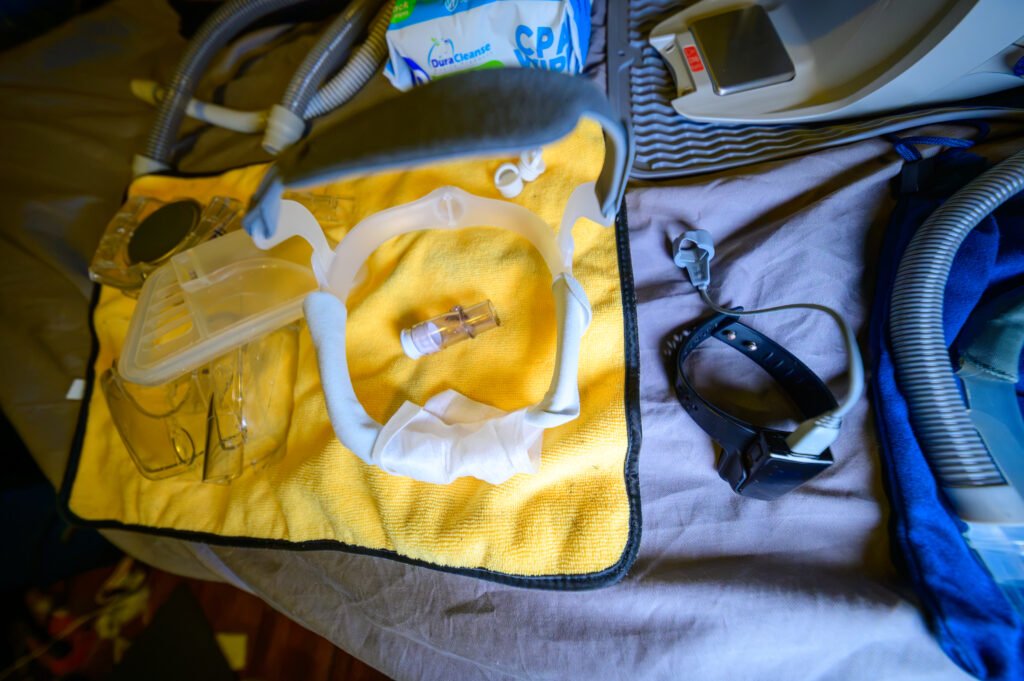
Over the last decade, Idiopathic Central Sleep Apnea, a rare and complicated condition, has continued to take a heavy toll. For the past few years, I’ve worn a Wellue smart pulse oximeter to track my SpO₂, heart rate, and movement. Its vibration alarm helped me somewhat “biohack” my respiratory response to limit severe oxygen drops, though the constant alerts further fractured my already terrible sleep. Getting more than two to three hours of continuous sleep has been impossible for years; after that initial stretch, I drift in and out of fragmented dreams. Nights don’t pass in a blink, they often stretch out longer than the days themselves. Before using the oximeter, my average SpO₂ hovered around 91–93% which is borderline needing supplemental oxygen. By adjusting my sleep habits around the alarms, I gradually brought that average up to 93–96%.
That brings me to this past week. I spoke with a friend who is an open-minded sleep doctor. We talked about how it isn’t the patient who fails PAP therapy, but rather the therapy, and a rigid medical establishment, that fails the patient by trapping people inside diagnostic boxes. He explained that simple, low-pressure CPAP is sometimes the exact answer for people who couldn’t tolerate aggressive titration.
So, I pulled out my 2007 VPAP ASV, switched it to standard CPAP mode, and set it to a low pressure of 6. Over the first few nights using a DreamWear nasal mask, I’ve noticed a genuine, positive difference the next day. I haven’t woken up to my usual nightmare: post-nasal drip and “dead air” where my airways essentially feel shut, forcing me to sit up for hours in the early morning just trying to get my breathing to resync. Between ENT issues, severe respiratory disruption, delayed sleep phase syndrome, and the fragmented nighttime sleep of Type 1 narcolepsy, even consciously focusing on my breathing doesn’t always work. The long-term strain on my heart, blood pressure, and nervous system was becoming genuinely frightening.
For years, I’ve tried to manage this through strict lifestyle habits, regular exercise, and middle-of-the-night countermeasures such as saline sprays, inhaling steam from boiling water and apple cider vinegar to clear post-nasal drip, or stepping outside into fresh air when an oximeter alarm woke me with my SpO₂ in the 70s or 80s. Sometimes those episodes took over 20 minutes to resolve. Through it all, I’ve had to fight to stay calm and avoid panicking, especially since people often dismiss these episodes as “just panic.” Living alone for the past six years has made that even heavier. My brother lives nearby, but I won’t burden him unless it’s a true emergency; if things get critical, I’d call an ambulance or drive myself to the ER before pulling him into it.
Whether the failure 16 years ago came down to my underlying neurological and ENT issues or simply being in the wrong hands, I don’t need to make a final judgment call, though I suspect the local sleep lab’s aggressive titration played a massive role. They, along with the Neurologist over-seeing it refused to even discuss my cataplexy until the “mild apnea” was treated, which is what drove me 16 hours away to the Mayo Clinic in the first place.
Mayo has a deep history for me. When I was an infant, local doctors told my parents I was “normal aside from epilepsy” while I was having worsening hypoglycemic seizures and turning blue. Within 24 hours, Mayo diagnosed hyperinsulinemic hypoglycemia, enrolled me in a global study at two months old, and saved my life at four months by removing over 90% of my pancreas in an experimental surgery. Growing up knowing how close I came to not surviving infancy, and navigating chronic, invisible illnesses into my mid-40s, leaves a specific kind of medical trauma. It has forced massive trade-offs in my attempts at a career and daily life, pushing me toward independent advocacy to speak honestly about the lived reality of narcolepsy and cataplexy.
For now, it’s still very early in this new PAP trial. My perspective could change completely tomorrow, and I might end up abandoning it again. All you can really do is live and learn through trial and error, sometimes a step back becomes a step forward, and sometimes a step forward forces you back.
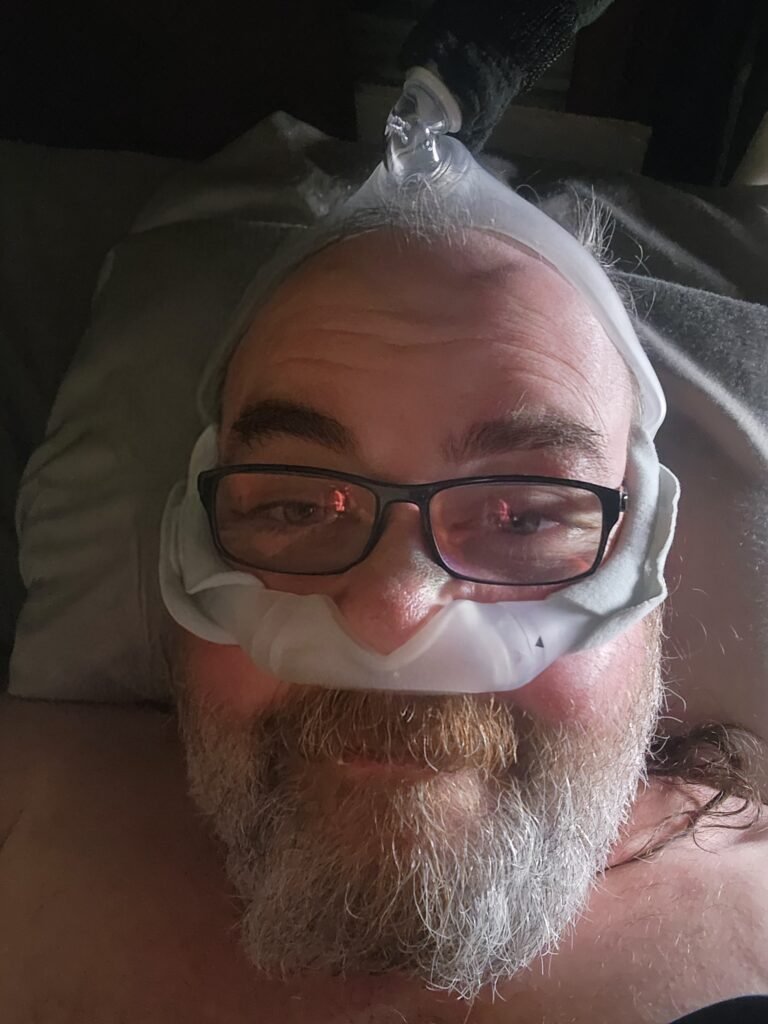
Time will tell. Wish me luck.
Disclaimer: The information provided in this article is intended for informational and educational purposes only. Seek a qualified medical professional with expertise in Narcolepsy for diagnosis or treatment. I am not a medical professional.
Created by: Solomon Briggs
(aka Narcoplexic)
November 22nd, 2026
The Apnea Rollercoaster Continues © 2026 by Solomon Briggs is licensed under CC BY-NC-ND 4.0


To view a copy of this license, visit https://creativecommons.org/licenses/by-nc/4.0/
“You may use this tool for non-commercial purposes, but must credit Solomon Briggs.”