
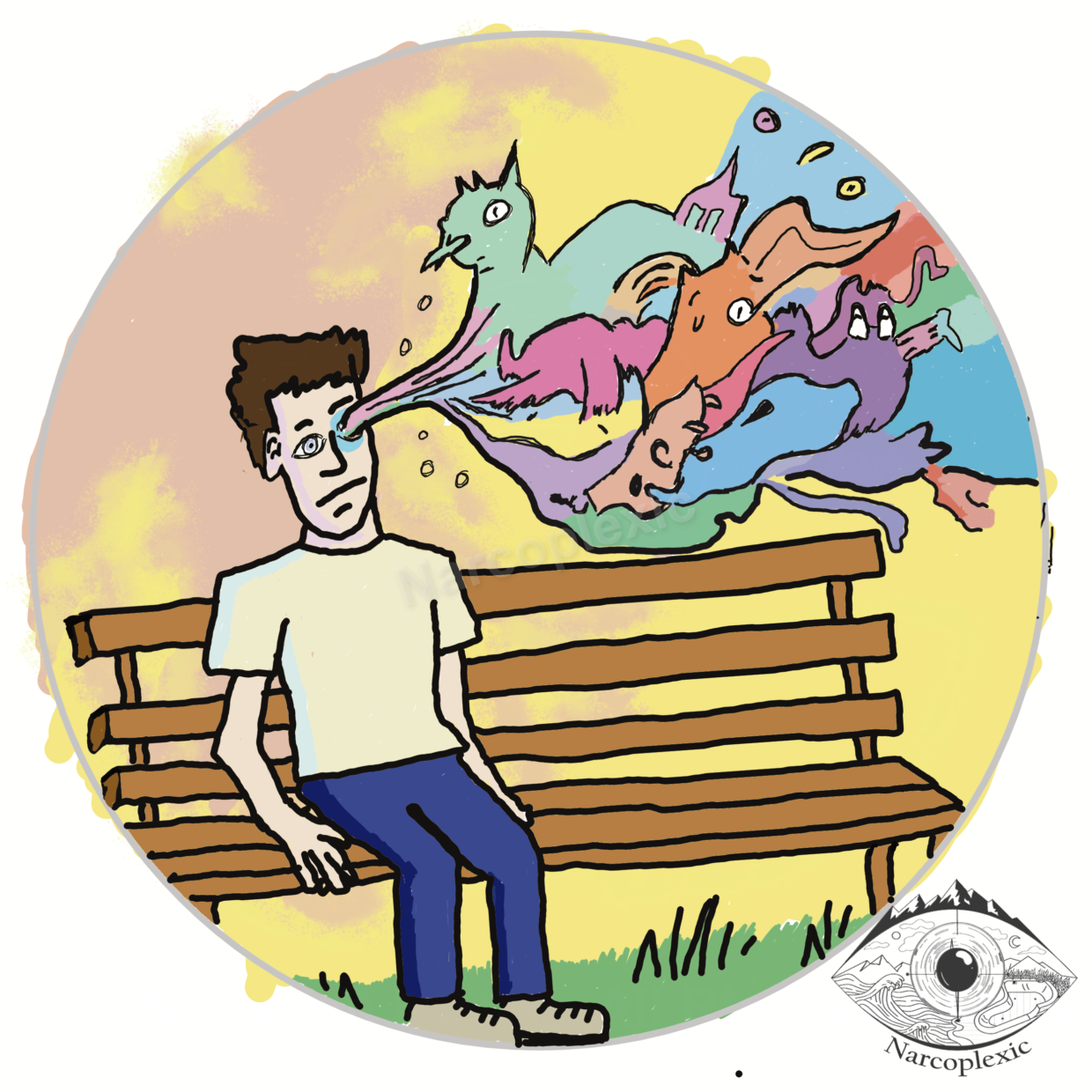
In Part 1, I walked through what a lucid “leap” feels like from the inside. To understand why these episodes feel so jarring, though, you have to look at the overlapping mechanics underneath, and where standard clinical language falls short.
For well over 15 years, I’ve spent time dissecting the clinical terminology used to describe Type 1 Narcolepsy and Central Disorders of Hypersomnolence. When I was first diagnosed at Mayo Clinic at age 31 with “Probable Narcolepsy with Definitive Cataplexy” (despite my presentation being absolute under the diagnostic criteria), I began matching my own daily experiences against the standard medical definitions.
What struck me wasn’t just how many of those boxes I checked, but how rigid and oversimplified the boxes themselves actually are. To this day, I am struck time and time again by how much goes entirely unnoticed, undiscussed, unpursued, and unacknowledged. Entire aspects of the lived experience end up neglected, avoided, misdirected, or misconstrued.
In clinical sleep medicine, symptoms are presented as neat, singular bullet points: Excessive Daytime Sleepiness (EDS), Cataplexy, Hypnagogic Hallucinations (HH), Sleep Paralysis (SP), and Disrupted Nighttime Sleep (DNS). Those are considered the five core symptoms of Type 1 Narcolepsy. Clinicians need distinct labels and separate categories to classify conditions and prescribe treatments. Logistically, that makes sense. The problem is that inside an actual human brain, these symptoms rarely happen one at a time. In fact, outside of cataplexy (which stands alone as the single defining symptom unique to Type 1 Narcolepsy, even though cataplexy itself spans a massive, widely varying spectrum of physical effects and presentations), none of these symptoms are exclusive to narcolepsy. Other sleep disorders, especially sleep apneas, frequently drive and present with EDS, sleep paralysis, hallucinations, and severe sleep disruption. The loss of hypocretin (orexin) signaling disrupts the neurological regulation that acts like a switchboard to keep wakefulness and REM sleep locked in separate compartments. Without that boundary stability, especially in Type 1 Narcolepsy, the symptoms operate like an overlapping web, bleeding into one another in ways that standard terminology flattens and often minimizes.
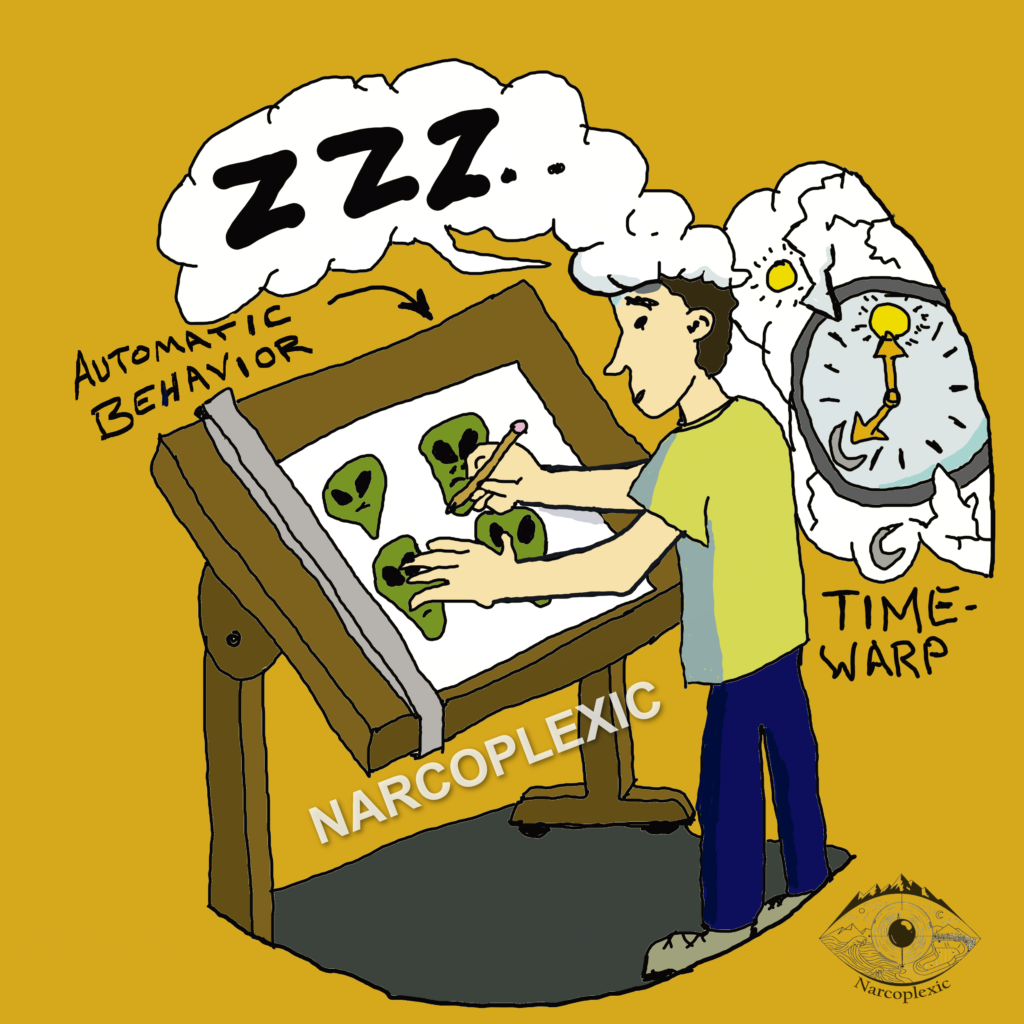
Take the phrase “sleep attack.” People use it as a catch-all, yet it covers a massive spectrum of neurological states, and severe sleep fragmentation from untreated or complex sleep apneas can trigger overwhelming daytime sleep attacks as well. Sometimes a sleep attack drops you straight into Rapid Eye Movement (REM) dream sleep. Other times, you never fully cross into sleep at all; instead, you are suspended in a hybrid zone where waking reality and dream-surroundings blend together. You might be hit by Excessive Daytime Sleepiness while simultaneously experiencing a vivid Hypnagogic Hallucination, all while remaining upright in “automatic behavior,” still typing, writing, or doodling as your head nods forward. To an outside observer, you just look tired, distracted, or even as though you’re on drugs. Internally, two entirely different states of consciousness are colliding. And those are only a few examples; the combinations are expansive and present differently not just from person to person, but within the same individual.
If you break down the actual anatomy of a full sleap attack like the one in Part 1, it unfolds across three distinct phases:
- The Threshold (Passive Drop or Cognitive Monotony): While your physical body is sitting at a desk typing, doing data entry, or relaxing in front of a movie, sleep pressure and state-boundary instability quietly erode the wall between wakefulness and REM. In my 20s, I could sometimes catch the edge of that drop and mark what line I was on before fading out, trying to keep those lapses from derailing my workflow, though as those episodes morphed into full leaps, no margin note could hold back the shift.
- The Intrusion (Dual-Reality Collision): REM dream consciousness hijacks perception with full waking lucidity. While your body stays seated at the computer in an automatic state, your mind is suddenly elsewhere in your own timeline, whether snowboarding down a mountain, skateboarding at a park, or troubleshooting a motorcycle tire with an old friend, occasionally interrupted by split-second “peeks” back at your physical screen before dropping straight back into the dream.
- The Aftermath (Cognitive and Physical Whiplash): Upon snapping awake, the brain does not simply reboot; it lands in a prolonged recovery state that standard definitions rarely attach to the sleep attack itself.
That third phase, along with the split-second intrusions around the edges of sleep, is where clinical vocabulary gets especially tangled:
- Microsleeps and Microawakenings: In disorders like Type 1 and Type 2 Narcolepsy, Idiopathic Hypersomnia, likely Kleine-Levin Syndrome as well, and certainly across sleep apneas, “microsleeps” are split-second spurts of sleep or REM intruding into wakefulness. They happen so fast that you may have zero awareness of them, and people around you might only notice a brief lapse or glazed look. What gets talked about far less is the inverse: microawakenings. Just as daytime wakefulness is fragmented by sleep intrusions, nighttime sleep is fragmented by brief awakenings (often driven by airway resistance, apnea events, or central nervous system instability) that you may never consciously remember, or that you may occasionally notice, either way leaving you feeling as though you slept terribly or barely slept at all.
- The Aftermath Spectrum (Sleep Inertia, Sleep Drunkenness, and Brain Fog): Borrowed more often from conversations around Idiopathic Hypersomnia than narcolepsy, these three terms are just as critical to the narcolepsy experience, yet they get lumped together constantly. Sleep inertia is that heavy, immediate biological pull to fall straight back asleep upon waking. Brain fog is the cognitive static: not being mentally present, sharp, or able to process information cleanly. Sleep drunkenness is severe sleep inertia amplified to an extreme, leaving you uncoordinated mentally, cognitively, and physically, as if intoxicated. Beneath those three labels sits a whole vocabulary of overlapping physical states (to name just a few): dissociation, weakness, heaviness, clumsiness, lethargy, and bone-deep fatigue.
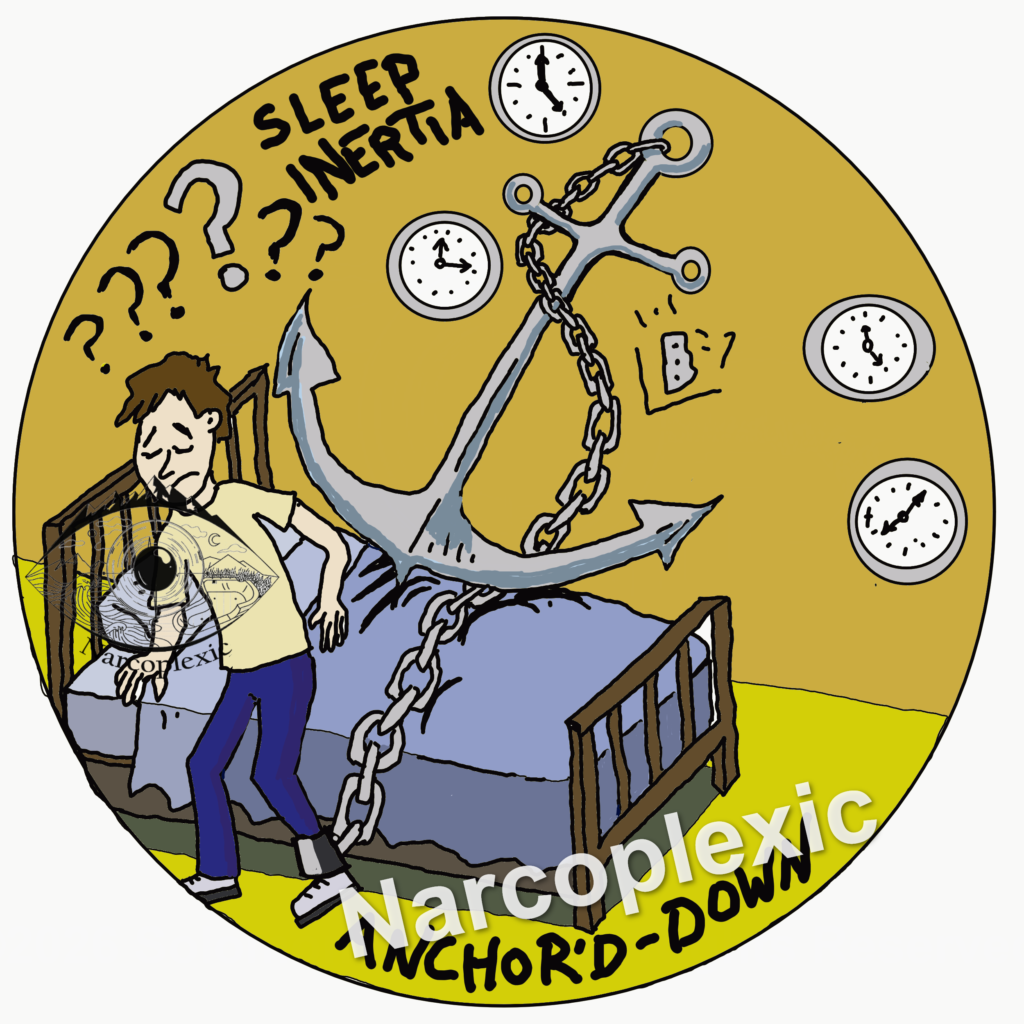
Add into the “sleep attack” mix what is currently missing from standard definitions: this aftermath spectrum of sleep inertia, sleep drunkenness, and brain fog. Bear in mind that sleep inertia is not unique to waking up in the morning; it can occur at any time, day or night, and even when there has been no actual full awakening. Taking it a step further, I personally see this aftermath spectrum as directly related to the REM muscle atonia mechanism and what we call “sleep paralysis,” operating at a lesser degree of severity. Compare it to how cataplexy has come to be understood over recent decades, with recognition that it spans both partial and complete severity extents and can even fluctuate as a prolonged state (status cataplecticus). Yet in my experience trying to discuss these deeper connections with experts in the field, and watching ongoing discussions that stay strictly on the surface, there is a noticeable avoidance and neglect of that depth.
For anyone else living with these leaps or sleap attacks, managing them in real time requires a deliberate balancing act. In my own case, I try to stay vigilant when one is coming on and mindful right after it passes, explicitly naming to myself what just happened so I can stay grounded in reality. It means walking a fine line: neither ignoring the gravity of these episodes nor letting myself spiral into paranoia or distress over them. Because each one takes a real physiological toll (lingering anywhere from minutes to hours, much like the after-rebound effect I have written about following severe cataplexy), I have learned that I have to be easy on myself afterward and focus simply on recovering, regaining my composure, and finding my place again in whatever I was doing. That self-grace matters, because these episodes can be genuinely scary. Losing time or snapping out of an alternate timeline can easily make your mind jump to heavier fears like amnesia, dementia, or Alzheimer’s. I will not claim there is any connection there because I simply do not know, and honestly, that is something I might prefer not to know. What I do know is that naming the episode for what it is takes away some of its power.
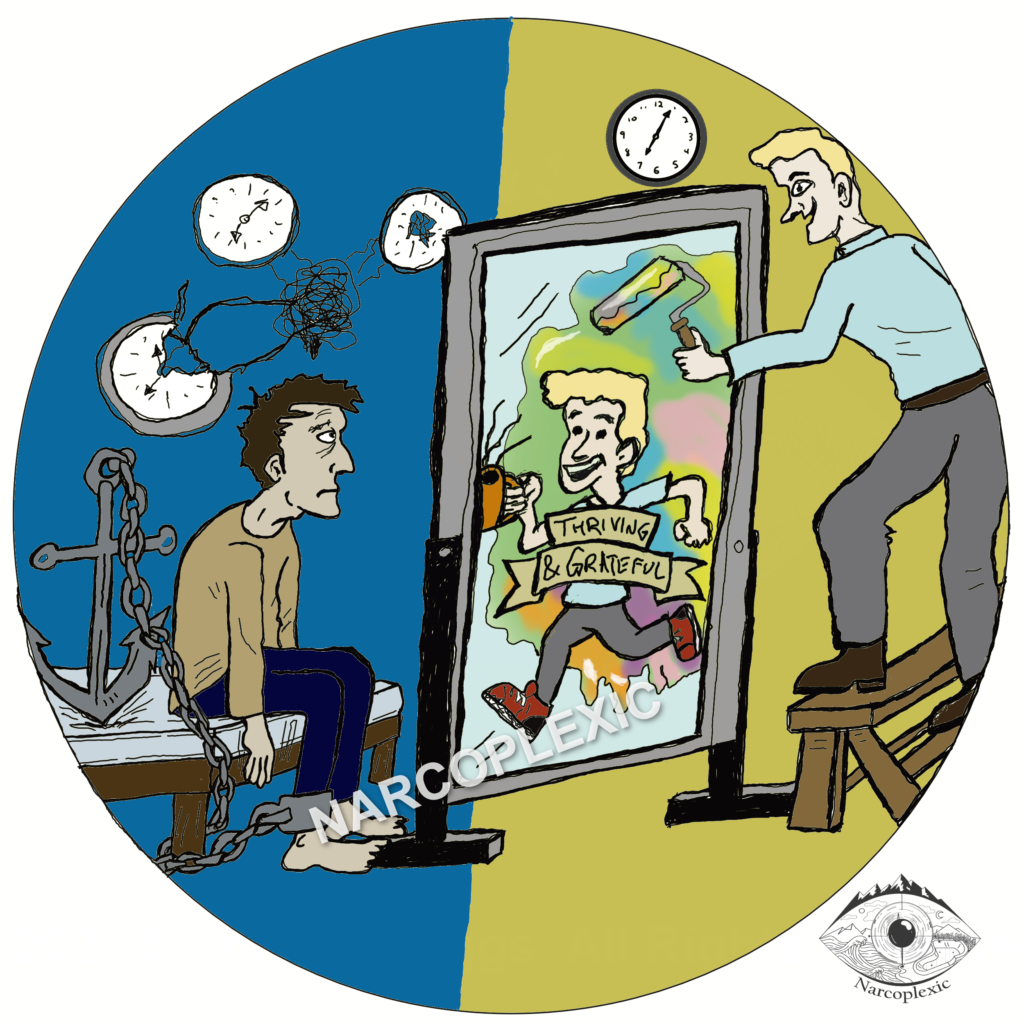
When medicine reduces a complex, simultaneous neurological event to a single checkbox, something gets lost in translation. In the grind of daily life, we are already forced to constantly filter our own internal signals just to function and communicate with others. We skip over the nuances of what our brains are actually doing because explaining the full, co-occurring reality takes too much effort, and because the standard clinical language doesn’t leave much room for it.
Bridging that gap means refusing to stop at the checkbox: instead of simply reporting a “sleep attack” or “tiredness,” we have to spell out the sequence, the dual-reality overlap, and the hours of cognitive recovery that follow. Currently, there is a systemic fault: clinical appointments rarely allot any time for all of that, which only reinforces the reliance on oversimplified checkboxes. Putting that sequence down on paper before a visit is one practical way to force the full picture onto the chart when clock time runs short.
Putting a clean label on a symptom is useful for a medical chart. Just don’t mistake the label for the whole experience.
Disclaimer: The information provided in this article is intended for informational and educational purposes only. Seek a qualified medical professional with expertise in Narcolepsy for diagnosis or treatment. I am not a medical professional.
Created by: Solomon Briggs
(aka Narcoplexic)
November 27th, 2026
Part 2 – Anatomy of a Sleap Attack: Why Narcolepsy’s “Core Symptoms” and Clinical Terminology Oversimplify Lived Reality © 2026 by Solomon Briggs is licensed under CC BY-NC-ND 4.0


To view a copy of this license, visit https://creativecommons.org/licenses/by-nc/4.0/
“You may use this tool for non-commercial purposes, but must credit Solomon Briggs.”