Unlocking the Human Puzzle: The Power of Our Stories and the Silent Struggle of Sleep
Our stories, the simple act of telling them hold immense power in helping us not just describe, but truly comprehend, what we and others have experienced and are going through. The way we express ourselves – through words, art, passions, or even how we release tension – offers a unique lens into our individual journeys.
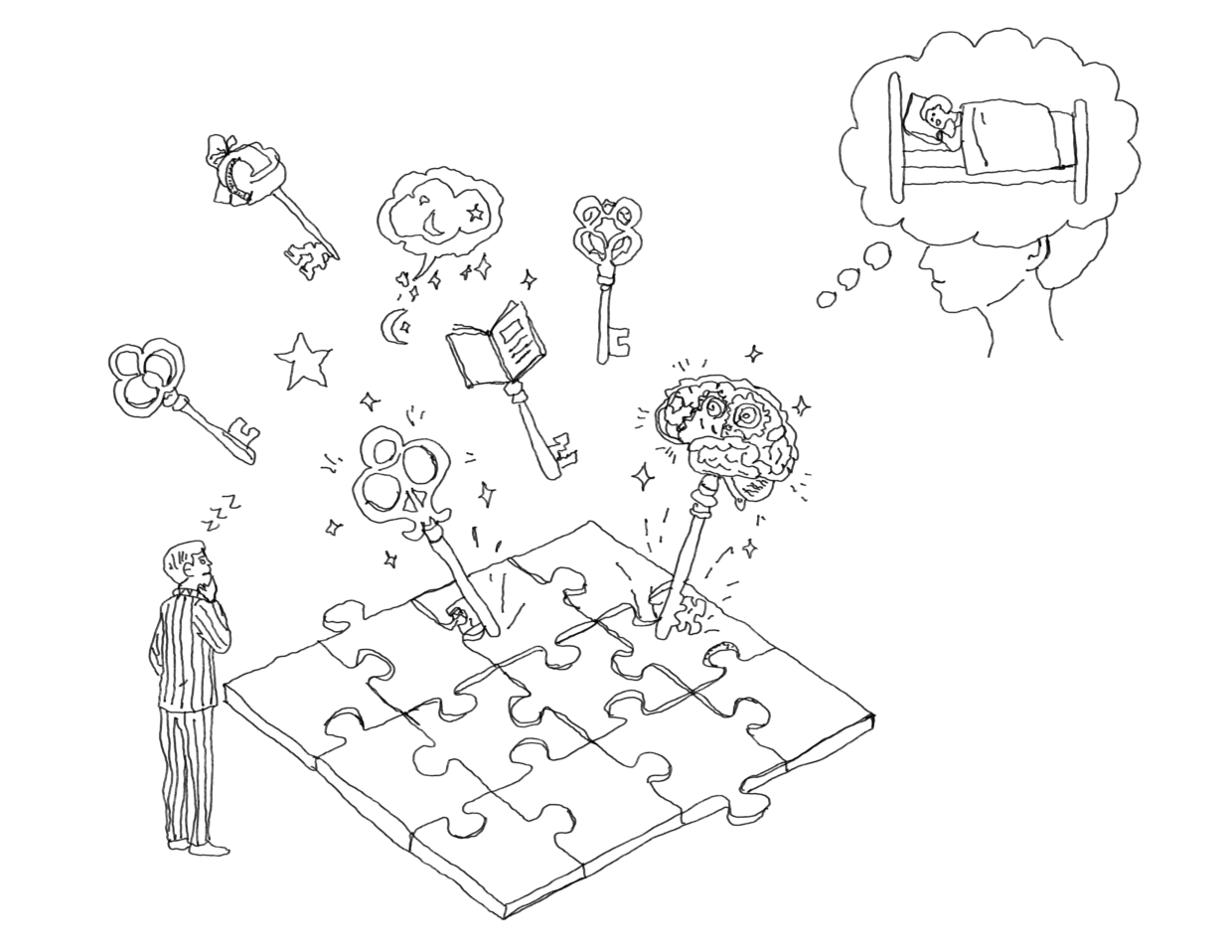
What one person considers “normal” might be a crucial key for another, unlocking an unseen puzzle or difficulty that deeply impacts them. In time, it can even help the individual themselves to further unlock that puzzle. This is particularly true when it comes to sleep disorders, which often play out subtly in individuals’ lives.
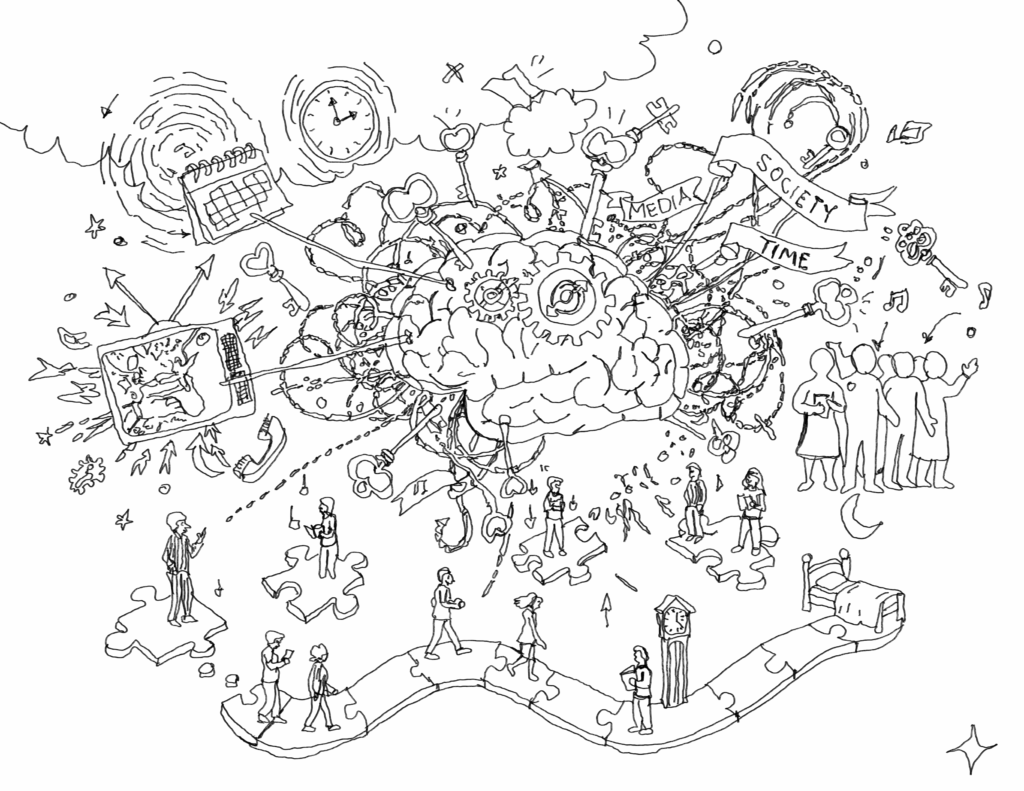
Our sense of “normal” is shaped by countless factors, including external influences completely out of our control and the societal norms around us. Understanding this complexity is a challenge because everyone follows a different path, a different walk of life. Just as a single concept can be described in endless ways, each person’s story is a unique expression, whether it’s about inner frustrations, creative endeavors, or deep-seated questions. And critically, each story is interpreted differently by every listener.
The Danger of Filtering and Unrecognized Struggles
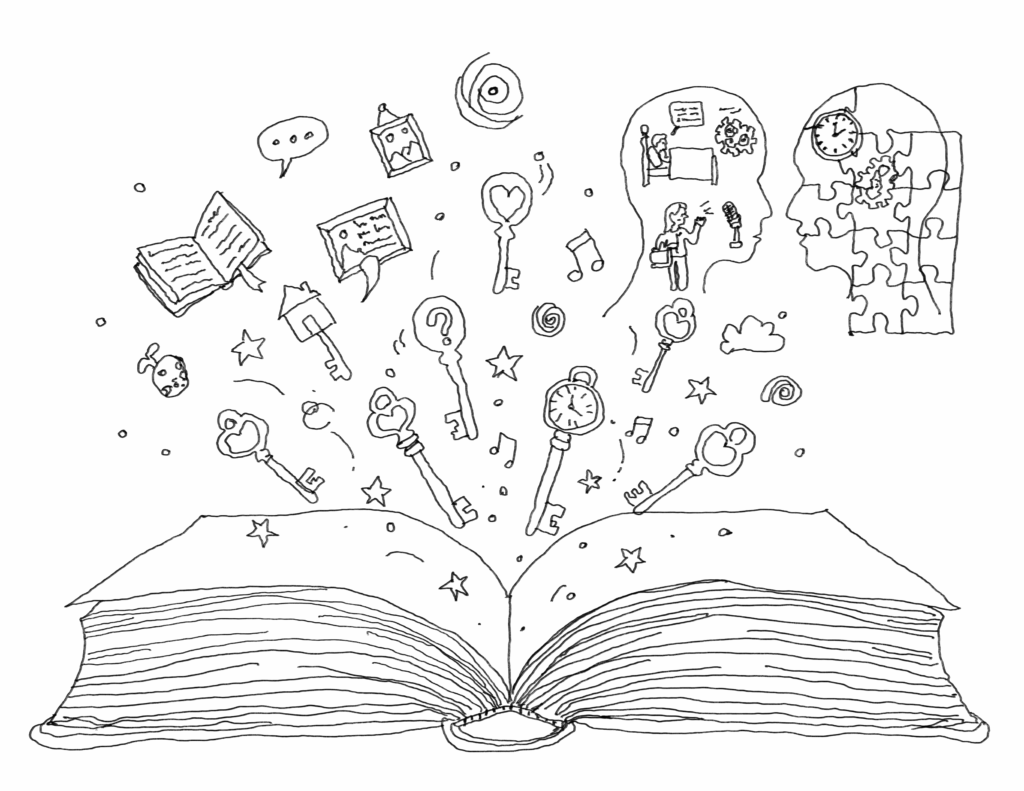
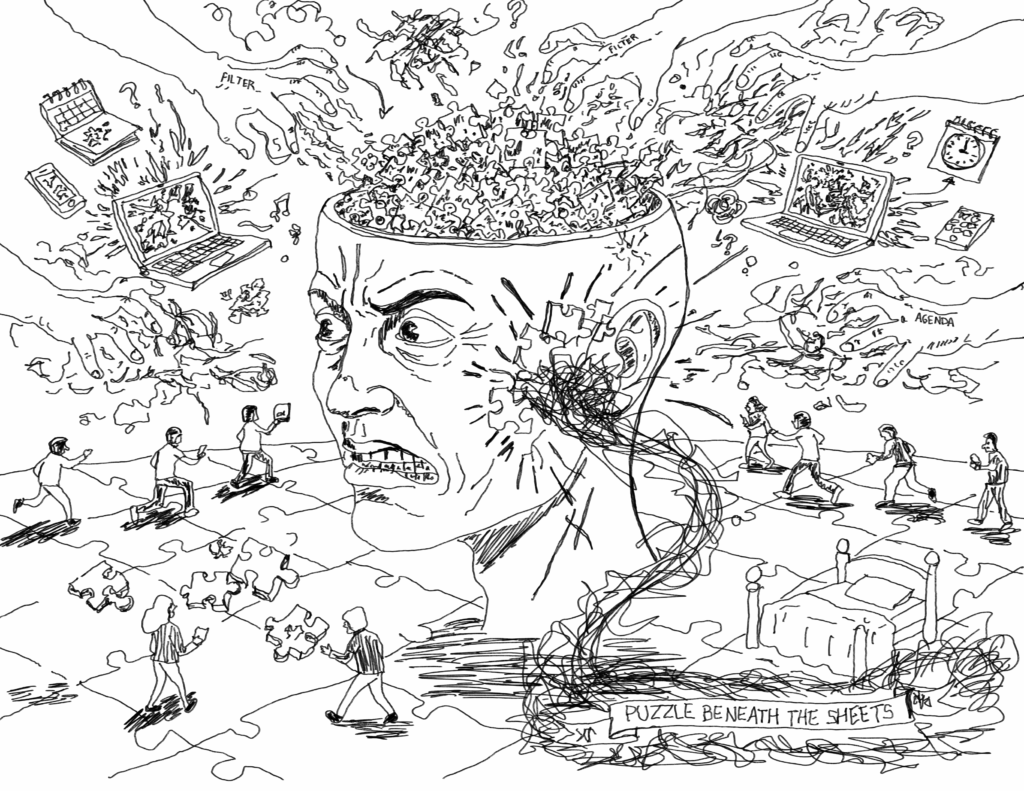
It’s vital that we avoid filtering or controlling these stories too much. A story’s true power and potential can be diminished, even unintentionally, by small alterations or by being reshaped to fit an external agenda. Genuine, unfiltered expressions can be the key that unlocks deeper understanding for someone else, or again in time, even one’s own.
Yet, in our fast-paced world, filled with the rushing, overwhelming stimulation of media, technology, and just the everyday races, we often skip over recognizing the internal puzzles that need our attention. We frequently avoid or deny our struggles, willfully ignoring things that cause internal disturbance or discomfort. This leads us to blindly struggle with issues we don’t fully recognize, especially those impacting our day-to-day and night-to-night well-being – our sleep, psychological state, and physical health.
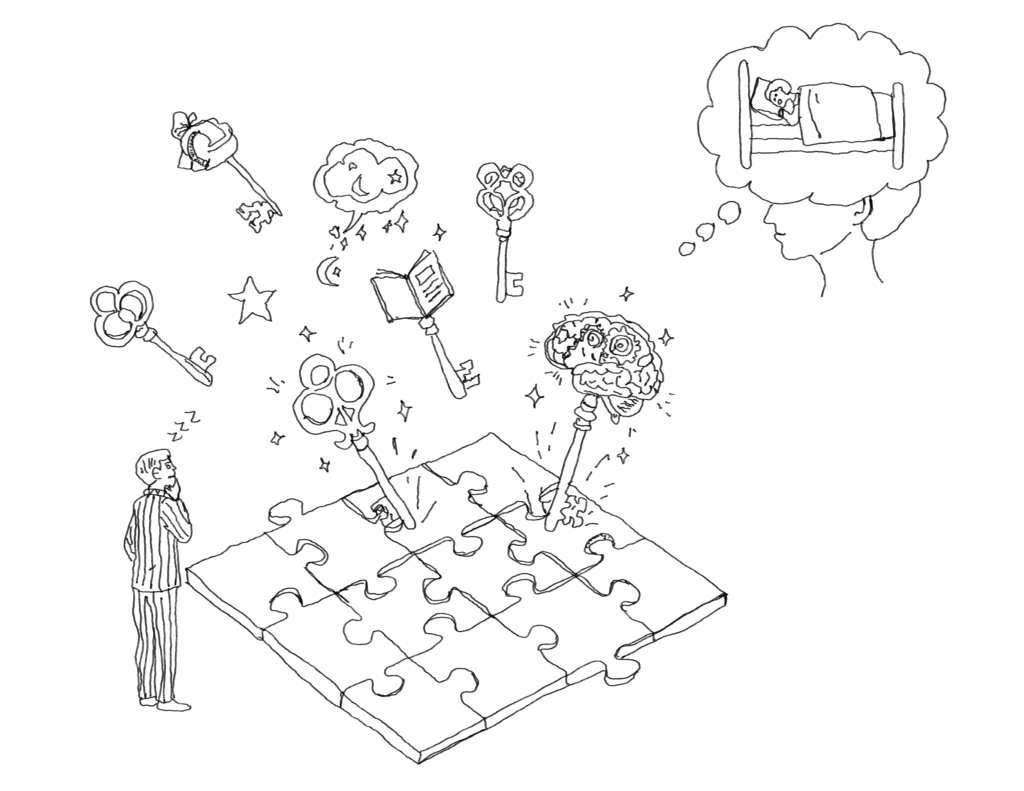
Our focus is rarely on the attentive vigilance of our own state of being, our rebalancing, or resyncing. Despite living in a world of distractions, hurdles, pleasures, and beauty, there’s often a puzzle beneath the sheets that we overlook.
Confronting the Stigma of Sleep
One of the most significant areas we must collectively improve is the stigma towards sleep. This stigma has daunting effects, as many assume their own “normal” sleep patterns are universal. This often unintentionally, but seriously, impacts others negatively. The stigma goes deeper than just painful interpersonal moments; it affects how we treat and perceive others, and crucially, how we fail to see into our own needs.
Seeing past this requires more than just an open-minded attitude; it demands willingness and respect for others’ boundaries and limitations. People often live within these boundaries subconsciously, avoiding specific behaviors, interactions, places, or even times without fully understanding why. Our sleep, routines, attitudes, and deepest traits profoundly influence our lives and how we interact with the world, often in ways we don’t fully realize.
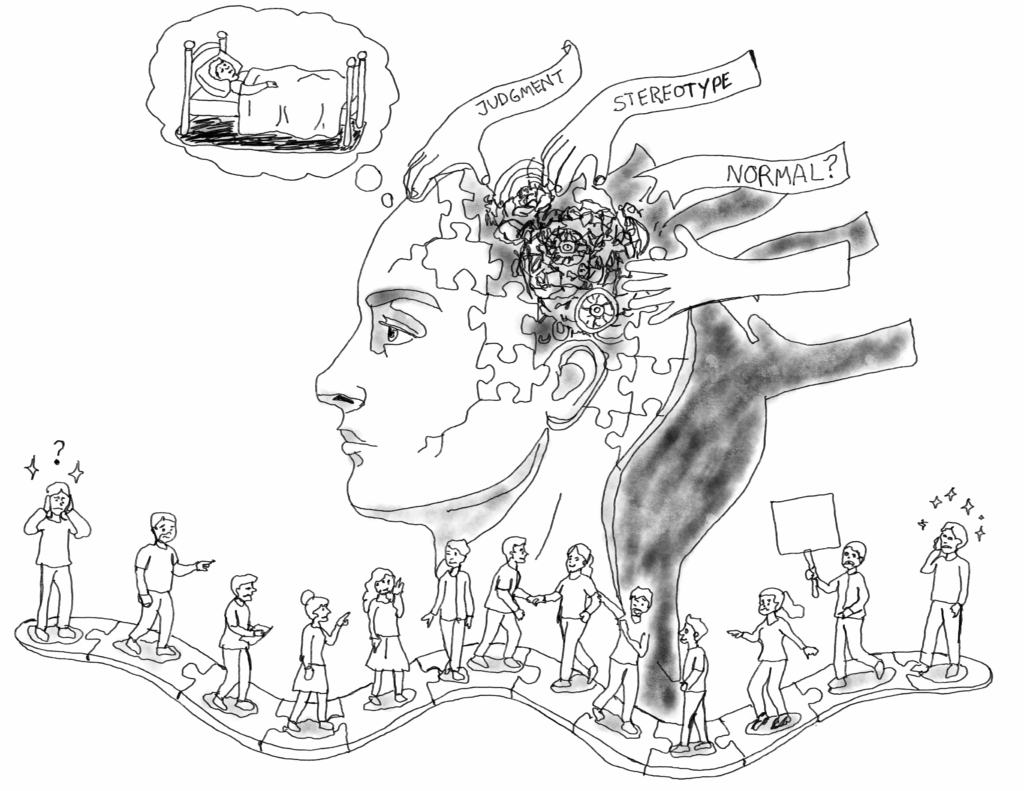
Narcolepsy: Beyond the Stereotype
It is exceptionally important that we tell our stories and listen to taking in others’ stories. These narratives contain the human experience – the keys that can begin to unlock, or unmask, these puzzles that can be tormenting and fiercely or subtly ongoing, sometimes for decades. This is particularly true for the subtle but potentially fierce impacts of sleep disorders.
For example, the term narcolepsy carries a significant negative stereotype. The pervasive Hollywood portrayal, which has existed for a century or more, often depicts it for humor or abstract engagement, but it creates a deeply negative effect. Narcolepsy is far more complex than just a sleep issue, or the misconception of falling asleep out of the blue. It’s crucial to understand that Cataplexy, a symptom of narcolepsy, can involve what is a temporary muscle paralysis while the individual remains completely conscious and awake, often triggered by strong emotions like laughter, and is not simply falling asleep.
This stereotype, combined with the general stigma towards sleep, results in widespread misunderstanding. It’s imperative that we foster change and improvement in how sleep, and diseases like narcolepsy, are seen, treated, thought of, and interpreted – rather than being brushed over, sometimes for decades, even by those living with it before diagnosis.
The Path Forward: Stories for Health and Understanding
Through our shared stories and different walks of life, we can help ourselves and others. Telling our stories, sharing, and listening to others not only offers therapeutic benefits but also enhances our knowledge, enabling us to better help ourselves. Ultimately, these narratives will also help others comprehend their own paths and make crucial improvements in their health, night to night, day to day.
Disclaimer: The information provided in this article is intended for informational and educational purposes only. Seek a qualified medical professional with expertise in Narcolepsy for diagnosis or treatment. I am not a medical professional.
Spanish version
Japanese/ソロモン・ブリッグスによる日本語訳
Created by: Solomon Briggs
(aka Narcoplexic)
September 15th, 2025
Beneath the Sheets © 2025 by Solomon Briggs is licensed under CC BY-NC 4.0


To view a copy of this license, visit https://creativecommons.org/licenses/by-nc/4.0/
“You may use this tool for non-commercial purposes, but must credit Solomon Briggs.”
Frida September 18, 2025
Thank you for sharing this. Found you through reddit. Inspiring me to share my story a bit more. Appreciate you.
sol.briggs September 18, 2025 — Post Author
No problem at all.
Thanks for visiting the site!
And, do share your story, awareness is needed.
=]