For those of us living with sleep disorders, especially conditions tied to our fundamental state of being awake, the hopes of the upcoming Orexin Agonists feels like reading the script for a whole new future.
As someone who spends a lot of time thinking about Narcolepsy and the complex neurochemistry that governs our days (and nights), I wanted try to break down some of the scientific understanding, the terminology and complexity, behind the Orexin system. Specifically, telling into the Orexin peptides and the Orexin receptors to comprehend the medications, Agonists and Antagonists.
It may be helpful to think about this system using a simple analogy: keys and locks.
The Orexin System: Keys and Locks
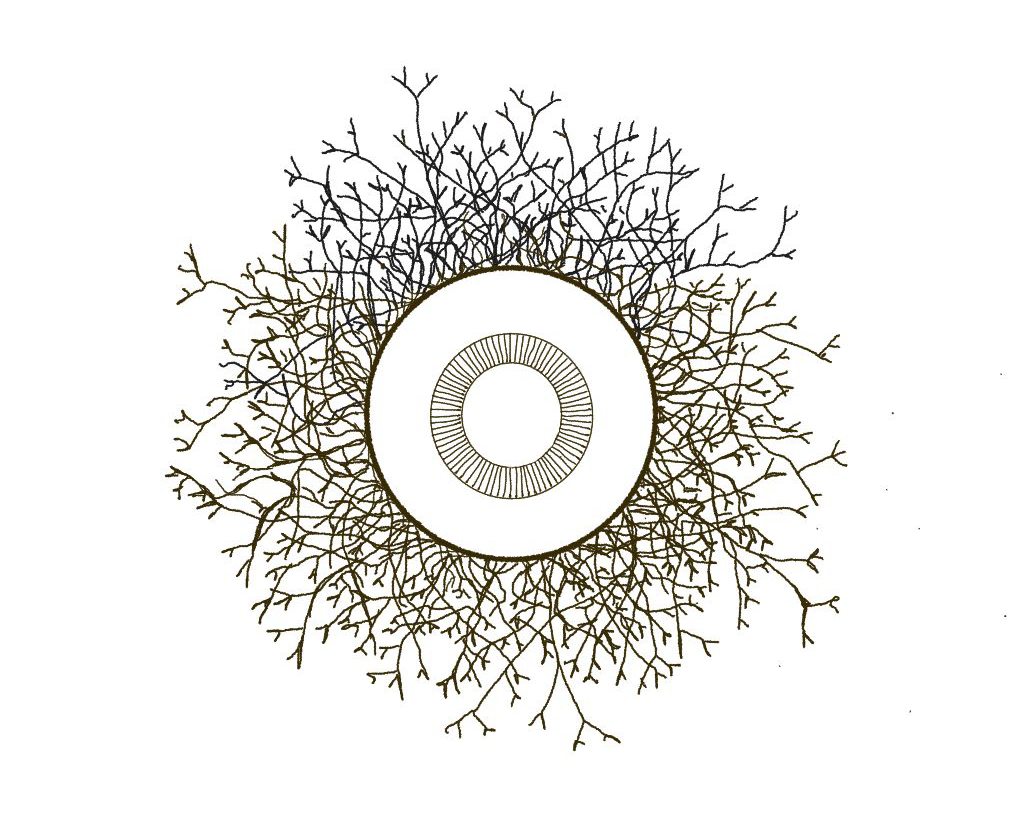
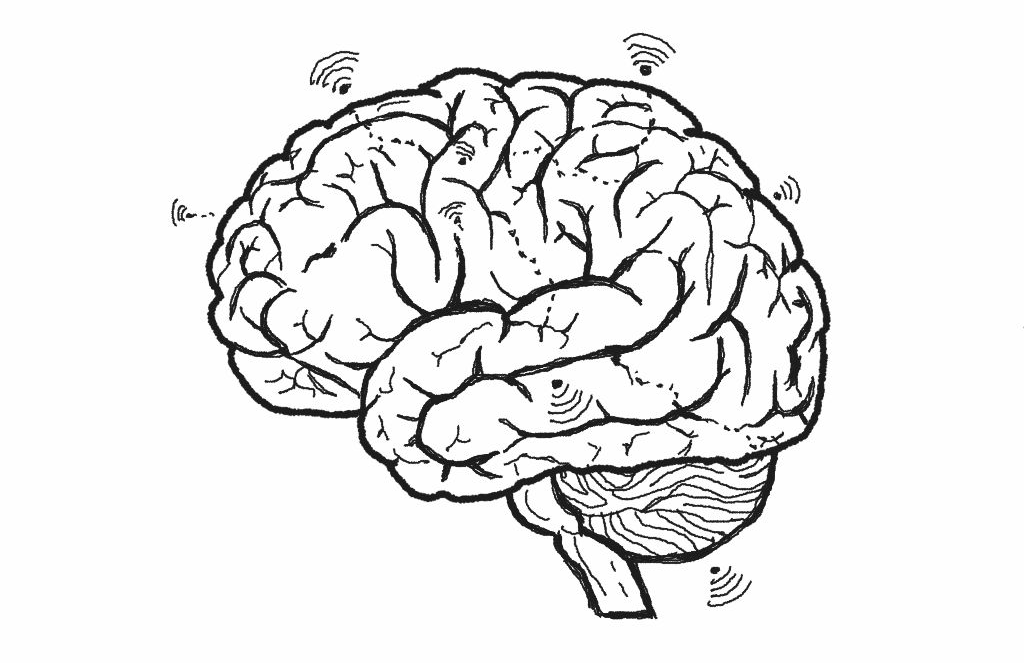
Orexin itself is a tiny, powerful neuropeptide (a chemical messenger cell, hormone, or neurotransmitter) produced deep in the Hypothalamus, within the brain [6][12][18]. This peptide comes in two distinct forms: Orexin A and Orexin B [2][8]. We can think of these as the keys.
These keys bind to two types of locks (receptors) found on brain cells throughout the central nervous system: the Orexin 1 receptor (OX1R) and the Orexin 2 receptor (OX2R) [18][2][1][13].
In my personal interpretation of the science from what I’ve read of the medical literature, heard at Narcolepsy conferences and events over many years now, by the experts in the field. The two Orexin types seem to have slightly different roles:
• Orexin B appears to be primarily related to regulating our core sleep/wake cycles [2][4][7][15].
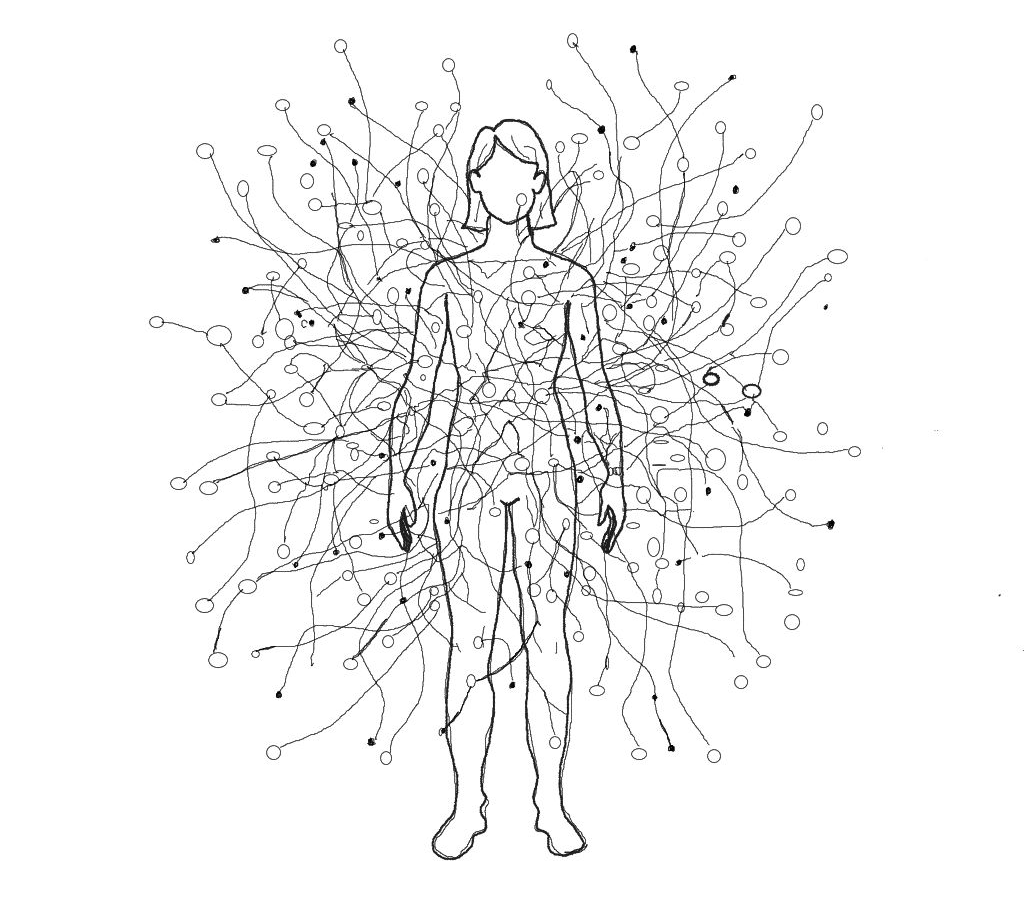
• Orexin A seems more involved in regulating the body’s core semi-autonomous functions, often called the “orchestra” of neurotransmitters [2][12][18][8]. Think body temperature, metabolism, muscle activity, cardio/respiratory rhythms, and more all playing into balance of the physical well-being [6][18][2][8]. Orexin A is also at play in maintaining, balancing the psychological well-being, influencing the different energy levels, and managing susceptibility to stress [6][12][18].
Essentially, I see Orexin as how I heard Dr. Anne Marie Morse (DAMMGoodSleep.com) refer to it in a presentation as: “the regulator/conductor of the orchestra” of neurotransmitters of the body.

Part 1: Orexin Antagonists (Blocking the Locks)
An Antagonist is the opposite of an Agonist. In this context, Orexin Antagonists work by blocking or limiting the activity of the Orexin 1 and Orexin 2 receptors [2].
By stopping the Orexin “keys” from binding to the “locks,” these medications slow down or lessen Orexin activity [2]. These are not intended for persons with Narcolepsy, as it would exacerbate the underlying Orexin matter [1].
The Use Case: Insomnia & Opioid Dependency/Addiction
Orexin antagonists are used to treat sleep disorders like insomnia, helping to improve both sleep quality and duration [18]. These medications are known as Dual Orexin Receptor Antagonists (DORAs) because they target both receptors (OX1R and OX2R) [2].
FDA-approved DORAs currently on the market include suvorexant (Belsomra), lemborexant (Dayvigo), and daridorexant (Quviviq) [2][17]. These drugs aim to prevent the signals in the brain that stimulate wakefulness, rather than trying to induce sleep through sedation like older medications [2].
There is some interesting science about Orexin playing “a major role in Opioid addiction” [16][17], which is consistent with its identified link to pleasure [16]. “Chronic Opioid use actually increases the number of Hypocretin-producing neurons” [17] (Hypocretin is the same as Orexin, just a different name since it was discovered by separate researchers the same year though in a separate circumstance) [6][12][18]. In 2024, a study found that “opioid dependence can be prevented by blocking hypocretin receptors” [17]. Future application of this finding would be to “combine suvorexant with prescribed opioids” which could “decrease to Opioid addiction and overdoses” [17].
Part 2: Orexin Agonists (The Master Key)
If Antagonists block wakefulness, Agonists are designed to enhance or increase Orexin activity [18][3][4].
The agonists currently in development are new, synthetic, small molecules designed to selectively activate the Orexin-2 receptor (OX2R), which is the primary receptor target of the natural neuropeptide Orexin-B [6][2][4][7][3].
Targeting Narcolepsy Type 1 (NT1)
For those of us with Type 1 Narcolepsy (NT1), the challenge is rooted in the Orexin system itself. We seemingly lose the neurons that produce Orexin peptides, leading to very low or absent Orexin levels in the brain [16][4][6][15].
It’s often hard to pin down if the original Orexin peptides are physically lost or if they are simply inactive, meaning they can’t properly bond with the receptors. But here’s the critical detail: while the peptides are missing, the Orexin receptors (the locks) are often still intact [7].
The current Orexin Agonists in clinical trials are focused on replicating, to some extent, that missing Orexin cell or peptide. Critically, these drugs are primarily selective for the Orexin 2 receptor (OX2R) [6][4][7][3].
I’ve seen them described as a ‘master key’. They are essentially versions of an Orexin 2 peptide designed to bond specifically with the Orexin 2 receptor, unlocking that connection.
It is worth noting that current selective OX2R agonists, such as oveporexton (TAK-861) and danavorexton, aim to restore natural wakefulness by directly activating the OX2R [7][3][4][5]. This is important because while the entire Orexin system is at play in NT1, these selective agonists do nothing in regard to the Orexin A peptide or the Orexin 1 receptor [5]. Research suggests that OX2R activation alone is sufficient to help with core narcoleptic symptoms like cataplexy and sleep/wake fragmentation in models [7][14][4].
It’ll be an interesting to see play out.

The Current Focus: Wakefulness
There are various different formulas currently being tested, each representing a slightly different variation of the Orexin B peptide [6][3].
The current, primary goal of these trials is clear: enhancing wakefulness – keeping the eyes open longer [4]. Clinical studies measure this through tests like the Maintenance of Wakefulness Test (MWT) and the Epworth Sleepiness Scale (ESS) [4][9][11][10].
This goal of sustained wakefulness may be different from, say, fully helping with attentiveness, clearing the ever-present brain fog, or resolving fragmented, disrupted nighttime sleep. Those other symptoms are not the specific focus yet, which is not meant to be discouraging, but just a realistic look at how complex this system, and the disease Narcolepsy really is.
Again, time will tell, but I’m hoping to be pleasantly surprised by the future of this science.
References
[1.] Rocha BR, et al. (2023). Dual orexin receptor antagonists for the treatment of insomnia: Systematic review and network meta-analysis.
From: https://www.thieme-connect.com/products/ejournals/pdf/10.1055/s-0043-1768667.pdf
[2.] Dual orexin receptor antagonists (DORAs) are a newer class of insomnia medications (Medically reviewed by Alexandra Perez, PharmD, MBA, BCGP — Written by Heather Hobbs — Updated on February 1, 2024).
From: https://pmc.ncbi.nlm.nih.gov/articles/PMC10232020/
[3.] Dual orexin receptor antagonists show distinct effects on locomotor performance, ethanol interaction and sleep architecture relative to gamma-aminobutyric acid-A receptor modulators. (Ramirez et al., 2013).
From: https://www.frontiersin.org/journals/neuroscience/articles/10.3389/fnins.2013.00254/full
[4.] Oveporexton (TAK-861): A Breakthrough Orexin Agonist for Narcolepsy Treatment (Sep 18, 2025).
From: https://www.musechem.com/blog/oveporexton-tak-861-a-breakthrough-orexin-agonist-for-narcolepsy-treatment/
[5.] Oveporexton, an Oral Orexin Receptor 2-Selective Agonist, in Narcolepsy Type 1 (Dauvilliers et al., May 2025).
From: https://www.nejm.org/doi/full/10.1056/NEJMoa2405847
[6.] Orexin Deficiency in Narcolepsy: Molecular Mechanisms, Clinical Phenotypes, and Emerging Therapeutic Frontiers (Rauf et al., Oct 2025).
From: https://onlinelibrary.wiley.com/doi/10.1002/brb3.70984
[7.] Hypocretin: a promising target for the regulation of homeostasis (Wang et al., Aug 2025).
From: https://www.frontiersin.org/journals/neuroscience/articles/10.3389/fnins.2025.1638270/full
[8.] Orexin 2 receptor–selective agonist danavorexton improves narcolepsy phenotype in a mouse model and in human patients (Evans et al., Aug 2022).
From: https://www.pnas.org/doi/pdf/10.1073/pnas.2207531119
[9.] Evolution of Orexin Neuropeptide System: Structure and Function (Soya and Sakurai, Jul 2020).
From: https://www.frontiersin.org/journals/neuroscience/articles/10.3389/fnins.2020.00691/full
[10.] A New Method for Measuring Daytime Sleepiness: The Epworth Sleepiness Scale (Johns, Jan 1992).
From: https://ictp.uw.edu/sites/default/files/Johns%20Epworth%20Sleepiness%20Scale%201991.pdf
[11.] A normative study of the maintenance of wakefulness test (MWT) (Doghramji et al., Dec 1997).
From: https://pubmed.ncbi.nlm.nih.gov/9402886/
[12.] Practice parameters for clinical use of the Multiple Seep Latency Test and the Maintenance of Wakefulness Test (Littner et al., Feb 2005).
From: https://aasm.org/resources/practiceparameters/pp_msltmwt.pdf
[13.] Hypocretins (orexins): The ultimate translational neuropeptides (Jacobson et al., Jan 2022). From: https://onlinelibrary.wiley.com/doi/10.1111/joim.13406
[14.] Differential expression of orexin receptors 1 and 2 in the rat brain (Marcus et al., Jun 2001). From: pubmed.ncbi.nlm.nih.gov/11370008/
[15.] The Role of Cerebrospinal Fluid Hypocretin Measurement in the Diagnosis of Narcolepsy and Other Hypersomnias (Lammers et al., Nov 2002).
From: https://jamanetwork.com/journals/jamaneurology/fullarticle/782942
[16.] OX2R-selective orexin agonism is sufficient to ameliorate narcoleptic symptoms, cataplexy and sleep/… (Ishikawa et al., Mar 2020).
From: https://journals.plos.org/plosone/article?id=10.1371/journal.pone.0271901
[17.] Sleep Research | Semel Institute for Neuroscience and Human Behavior.
From: https://teams.semel.ucla.edu/sleep-research
[18.] What are Orexin receptor agonists and how do they work? (25 June 2024).
From: https://synapse.patsnap.com/article/what-are-orexin-receptor-agonists-and-how-do-they-work
Additional references:
Ardeljan AD, et al. (2023). Lemborexant.
• Atkin T, Comai S, Gobbi G (April 2018). Drugs for Insomnia beyond Benzodiazepines: Pharmacology, Clinical Applications, and Discovery. Pharmacological Reviews.
• Bijlenga D, Overeem S, Fronczek R, Lammers GJ (Apr 2022). Usefulness of the Maintenance of Wakefulness Test in central disorders of hypersomnolence: a scoping review.
• Calipari ES, España RA (2012). Hypocretin/orexin regulation of dopamine signaling: implications for reward and reinforcement mechanisms. Frontiers in Behavioral Neuroscience.
• Chakraborty DS, et al. (2023). Daridorexant, a recently approved dual orexin receptor antagonists (DORA) in treatment of insomnia.
• Clark JW, Brian ML, Drummond SP, Hoyer D, Jacobson LH (October 2020). Effects of orexin receptor antagonism on human sleep architecture: A systematic review. Sleep Medicine Reviews.
• Coleman PJ, Gotter AL, Herring WJ, Winrow CJ, Renger JJ (January 2017). The Discovery of Suvorexant, the First Orexin Receptor Drug for Insomnia. Annual Review of Pharmacology and Toxicology.
• Fox, S. V., Gotter, A. L., Tye, S. J., Garson, S. L., Savitz, A. T., Uslaner, J. M., et al. (2013). Quantitative electroencephalography within sleep/wake states differentiates GABA-A modulators eszopiclone and zolpidem from dual orexin receptor antagonists in rats. Neuropsychopharmacology.
• Gatfield J, Brisbare-Roch C, Jenck F, Boss C (August 2010). Orexin receptor antagonists: a new concept in CNS disorders?. ChemMedChem.
• Gotter AL, Webber AL, Coleman PJ, Renger JJ, Winrow CJ (July 2012). International Union of Basic and Clinical Pharmacology. LXXXVI. Orexin receptor function, nomenclature and pharmacology. Pharmacological Reviews.
• Gotter, A. L., et al. (2021). Discovery of Takeda’s Selective Orexin-2 Receptor Agonists (SORAs) for the Treatment of Narcolepsy: A Journey from Peptides to Non-Peptide Agonists. Journal of Medicinal Chemistry.
• Kishi T, Nishida M, Koebis M, Taninaga T, Muramoto K, Kubota N, et al. (December 2021). Evidence-based insomnia treatment strategy using novel orexin antagonists: A review.
• Kuriyama A, Tabata H (October 2017). Suvorexant for the treatment of primary insomnia: A systematic review and meta-analysis. Sleep Medicine Reviews.
• Liblau RS, Vassalli A, Seifinejad A, Tafti M (March 2015). Hypocretin (orexin) biology and the pathophysiology of narcolepsy with cataplexy. The Lancet. Neurology.
• McGregor, R., Wu, M. F., Thannickal, T. C., Li, S., & Siegel, J. M. (2024). Opioid-induced neuroanatomical, microglial and behavioral changes are blocked by suvorexant without diminishing opioid analgesia. Nature Mental Health.
• Mieda M, Sakurai T (February 2013). Orexin (hypocretin) receptor agonists and antagonists for treatment of sleep disorders. Rationale for development and current status. CNS Drugs.
• Nishino S, Okuro M, Kotorii N, Anegawa E, Ishimaru Y, Matsumura M, et al. (March 2010). Hypocretin/orexin and narcolepsy: new basic and clinical insights. Acta Physiologica.
• Rosenberg R, et al. (2019). Comparison of lemborexant with placebo and zolpidem tartrate extended release for the treatment of older adults with insomnia disorder.
• Sakurai T (Apr 2007). The neural circuit of orexin (hypocretin): Maintaining sleep and wakefulness. NAT REV NEUROSCI.
• Scammell TE, Winrow CJ (2011). Orexin receptors: pharmacology and therapeutic opportunities. Annual Review of Pharmacology and Toxicology.
• Snyder E, et al. (Jul 2023). Oral Orexin Receptor 2 Agonist in Narcolepsy Type 1. NEW ENGL J MED.
• Takeda Development Center Americas (Funded by Takeda Development Center Americas).
• Trivedi P, Yu H, MacNeil D J, Van der Ploeg, L. H. T., and Guan, X. M. (1998). Distribution of orexin receptor mRNA in the rat brain. FEBS Lett.
• Winrow C J, Gotter A L, Cox C D, Doran S M, Tannenbaum P L, Breslin M J, et al. (2011). Promotion of sleep by suvorexant – a novel dual orexin receptor antagonist.
• Zammit G., et al. (2020). Daridorexant, a new dual orexin receptor antagonist, in elderly subjects with insomnia disorder.
Disclaimer: The information provided in this article is intended for informational and educational purposes only. Seek a qualified medical professional with expertise in Narcolepsy for diagnosis or treatment. I am not a medical professional nor a scientist.
Spanish version
Japanese/ソロモン・ブリッグスによる日本語訳
Created by: Solomon Briggs
(aka Narcoplexic)
October 26th, 2025
Orexin – Key Cells to Receptor Locks: Comprehending the Agonists and Antagonists © 2025 by Solomon Briggs is licensed under CC BY-NC 4.0


To view a copy of this license, visit https://creativecommons.org/licenses/by-nc/4.0/
“You may use this tool for non-commercial purposes, but must credit Solomon Briggs.”