
Navigating SLEEP 2026 & Beyond Sleepy: Posters, Wearables, and the Reality of Data
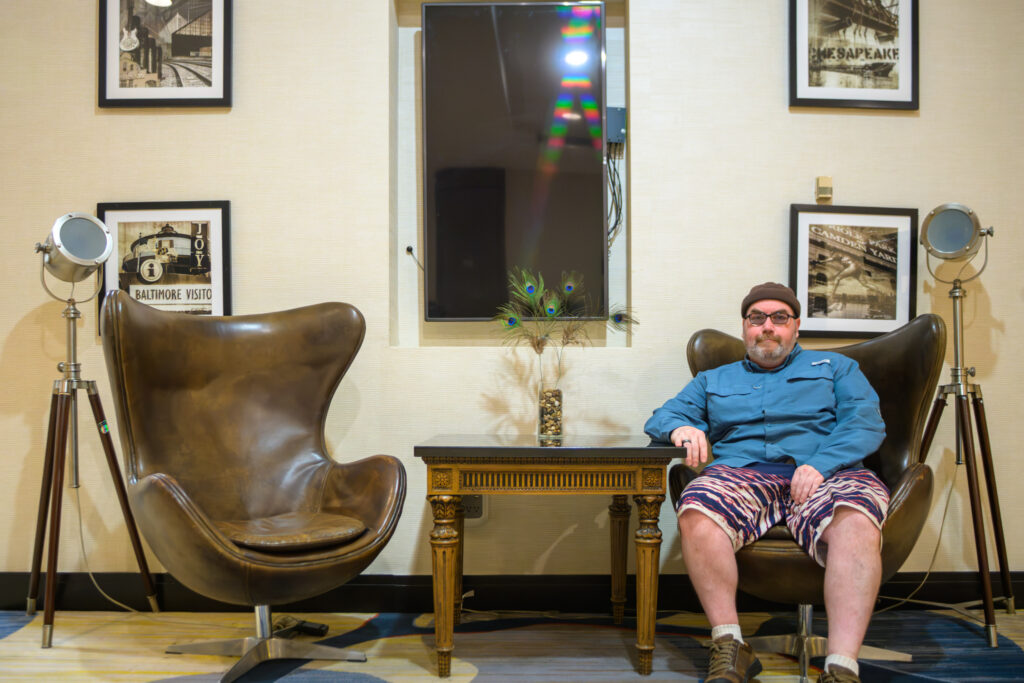
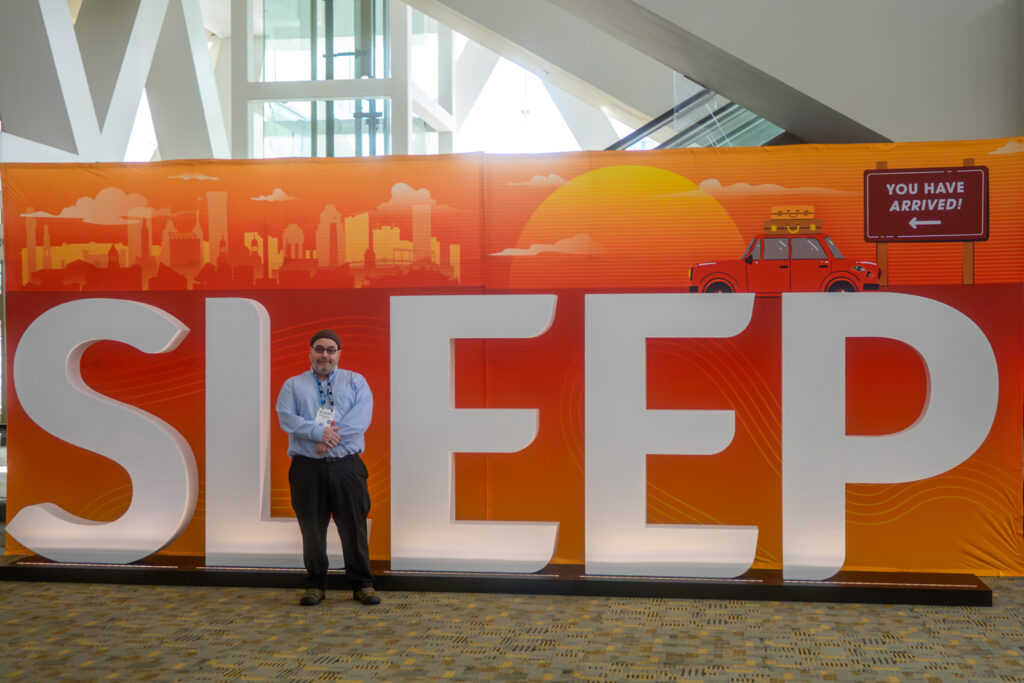
Earlier this month, I loaded up my vehicle and made the 10-hour drive east to Baltimore, Maryland. I split the drive over two days, arriving to attend a back-to-back lineup: the Hypersomnia Foundation’s Beyond Sleepy conference, followed by the AASM/SRS/APSS SLEEP 2026 Meeting. The trip culminated on Wednesday, June 17th, with me presenting my poster in the main exhibit hall. Had the pleasure of meeting many fellow advocates such as Kerly, Sakhara of Narcolepsy Navigators Podcast, Dan, as well as others including Lola and Liz from the Wellness, Sleep and Circadian Network (WSCN).
Here is a breakdown of the week, the science, and the city.

Beyond Sleepy Weekend – Highlight: The Illusion of Wearable “Ground Truth”
This was my first time attending the Hypersomnia Foundation’s weekend event. It was heavily community-focused with several solid presentations. The tone was set early during the keynote by Dr. Asim Roy, who dropped a staggering statistic (one that I’ve heard in various different forms over the years): across four entire years of medical school, an average of only 1.5 hours is dedicated to sleep education.
With that systemic blind spot in mind, the standout presentation for me was Dr. Michael Grandner (Behavioral Sleep and Circadian Medicine Specialist, University of Arizona).
Dr. Grandner spoke deeply into consumer wearable devices and their flaws, a currently highly relevant topic. He flatly stated that commercial algorithms do a “bad job” accounting for arousals and awakenings (specificity) throughout the night. They provide indirect measures, not ground truth. Even EEG, he noted, is not measuring sleep directly but rather background layers – an “echo of an echo of an echo.”
He broke down the three pillars of sleep data validation:
- Sensitivity: The percentage of true sleep epochs accurately identified.
- Specificity: The percentage of true wake epochs accurately identified (“finding the cloud of awake within sleep”). This is where wearables struggle the most.
- Accuracy: The balance between the two.
For context, an actogram (or actography) only finds about 50% of wakefulness during sleep, while a clinical Polysomnography (PSG) operates around 90% accuracy. Because there is “no biomarker for attention,” measuring sleep latency remains inconsistent. Dr. Grandner also touched on the confusion matrix used for device validation (mapping predicted stages like Light/Deep/REM against clinical PSG) and the mechanical differences between wrist and finger wearables regarding pulse wave velocity and ECG peak detection.
Interestingly, he noted that the “Happy Ring” currently exhibits strong metrics across all three data points. Without formally recommending it, he explained that its AI avoids the typical generalized standard patterns, instead by learning and/or perhaps rather, adapting to the individual wearer’s specific baseline over time, allowing it to better detect true arousals.
He closed by comparing sleep data to pain measurement: “There is no human technology to measure pain. The tool we’re measuring with may be the wrong tool.” It was a deeply validating session. I caught him in the hallway afterward to thank him for the refreshing transparency.
Industry Shifts & Advocacy
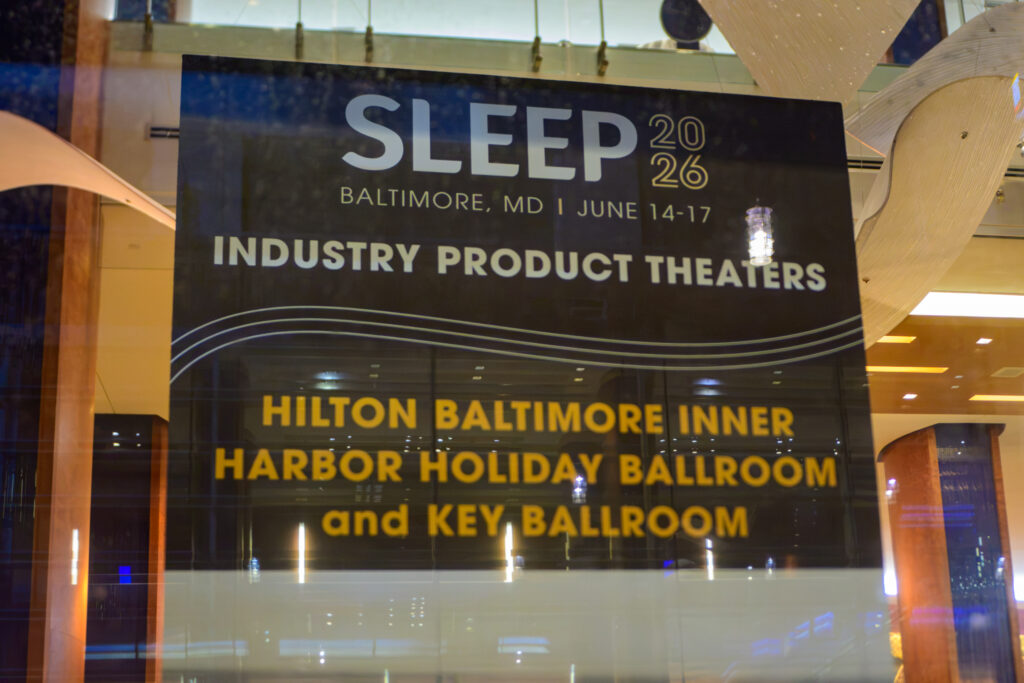
SLEEP is a marathon. Sessions run from 8:00 AM to 5:30 PM daily, bookended by industry events. I attended several, including an SRS VIP reception, an Alkermes patient-focused event, and a Harmony Biosciences event at the aquarium.
While I spent time taking photos and checking in on non-profit booths as I did last year, I am actively stepping back from the volunteer role. I am shifting my priorities to focus strictly on professional engagements.
That said, advocacy remains necessary and I will remain passionate. On Saturday, the WSCN and PWN4PWN asked me to sit in as an OSA (Obstructive Sleep Apnea) patient advocate for an SRS round-table. Sitting face-to-face with industry heads and top doctors to discuss the future of sleep apnea care – and being asked for my direct perspective on navigating a complex OSA case – was a very interesting hour.
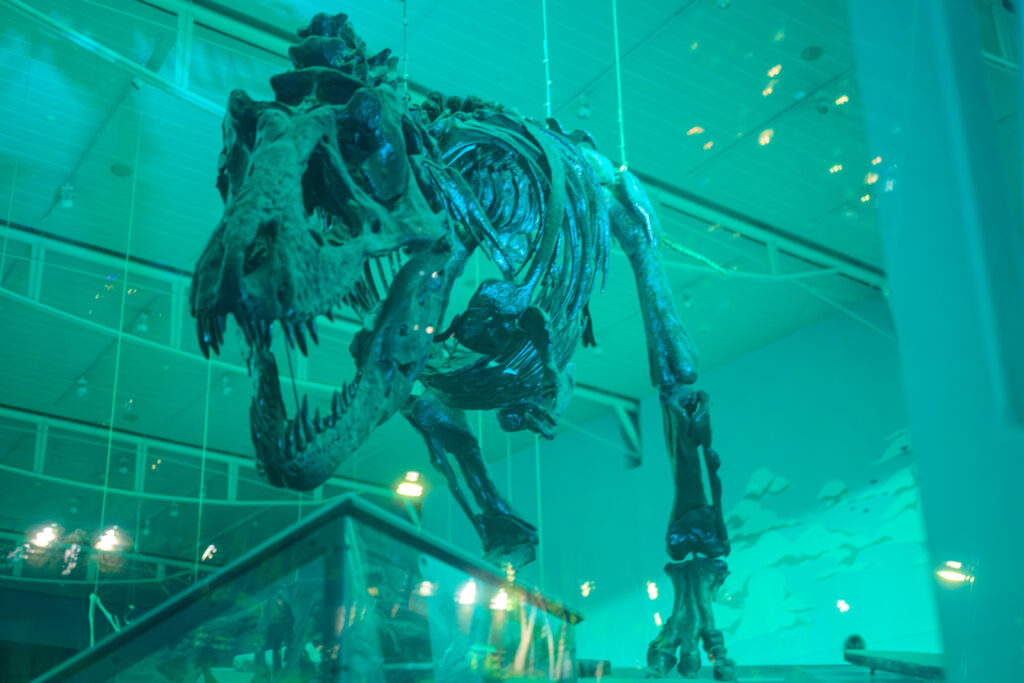



The RBD Keynote
The opening keynote focused on REM Sleep Behavior Disorder (RBD), a frankly terrifying condition with a staggering 1.7% prevalence in the US. Two details stood out:
- The NT1 Phenotype: Roughly 60% of people with Type 1 Narcolepsy have RBD. However, it manifests as a specific phenotype that, unlike typical or idiopathic RBD, does not carry the same neurodegenerative and dementia risks.
- Diagnostic Blindspots: Approximately 45% of people with RBD are completely unaware they are experiencing it. Standard PSG does a poor job of detecting it simply because it is often overlooked or excluded from standard diagnostic criteria, ignored even when apparent.
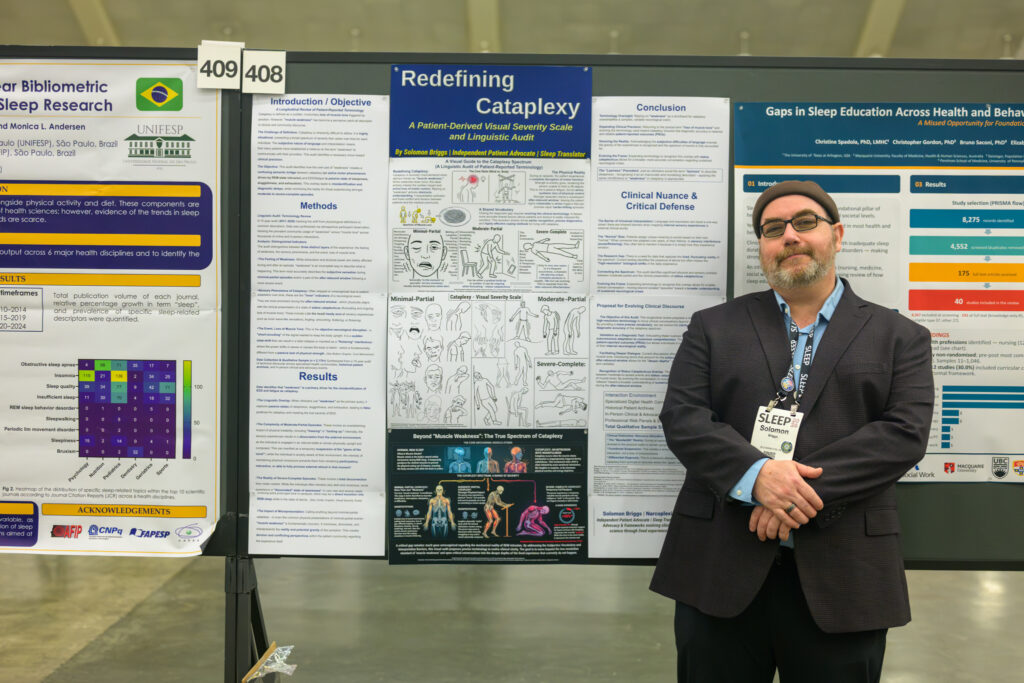
SLEEP 2026: Presenting the Cataplexy Poster
This was my third annual SLEEP meeting. Back in November, I saw the call for abstracts and decided to submit a concept I’ve been analyzing for nearly two decades.
Ever since I first read clinical descriptions of cataplexy, eight years after I began collapsing from severe episodes, seeing it described merely as muscle “weakness” rang entirely false. It is not weakness; it is an active motor phenomenon and a profound neurological event. That discrepancy drove my abstract. Once accepted in February, I finalized my data, designed the layout, and spent the following months sitting on it, making occasional refinements to the details before printing the final version. Presenting it in the massive exhibit hall was a pivotal moment.
Navigating Baltimore
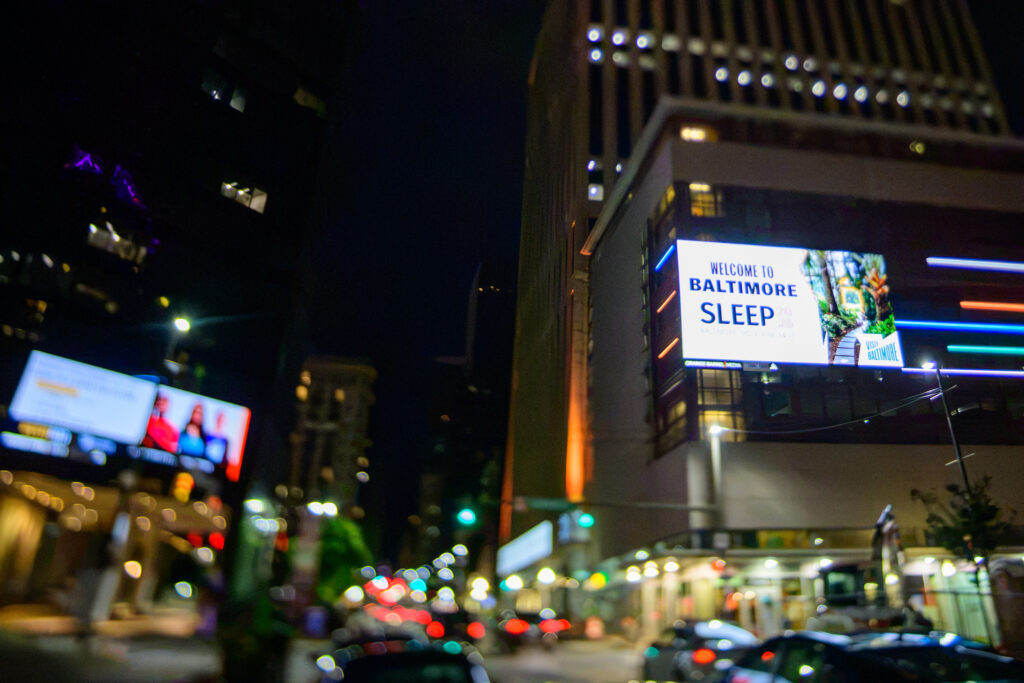
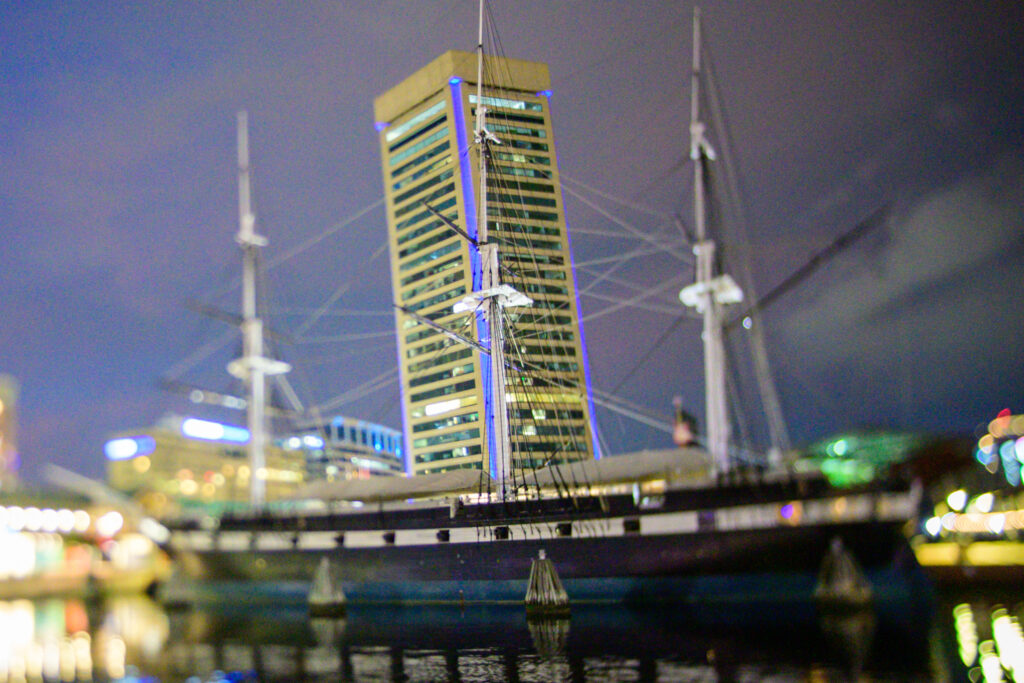
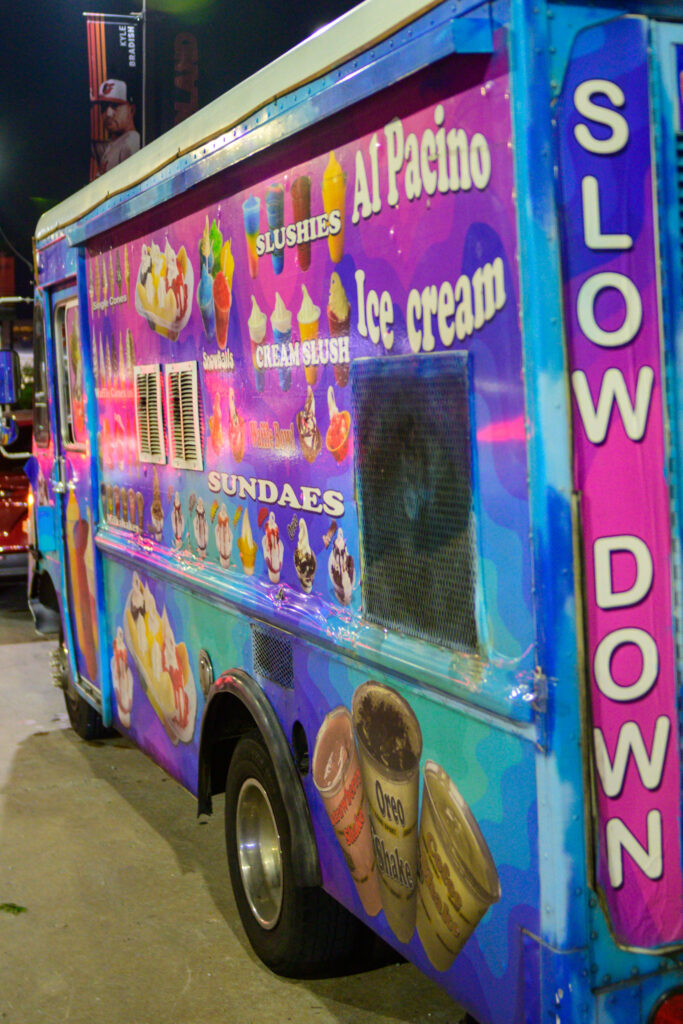
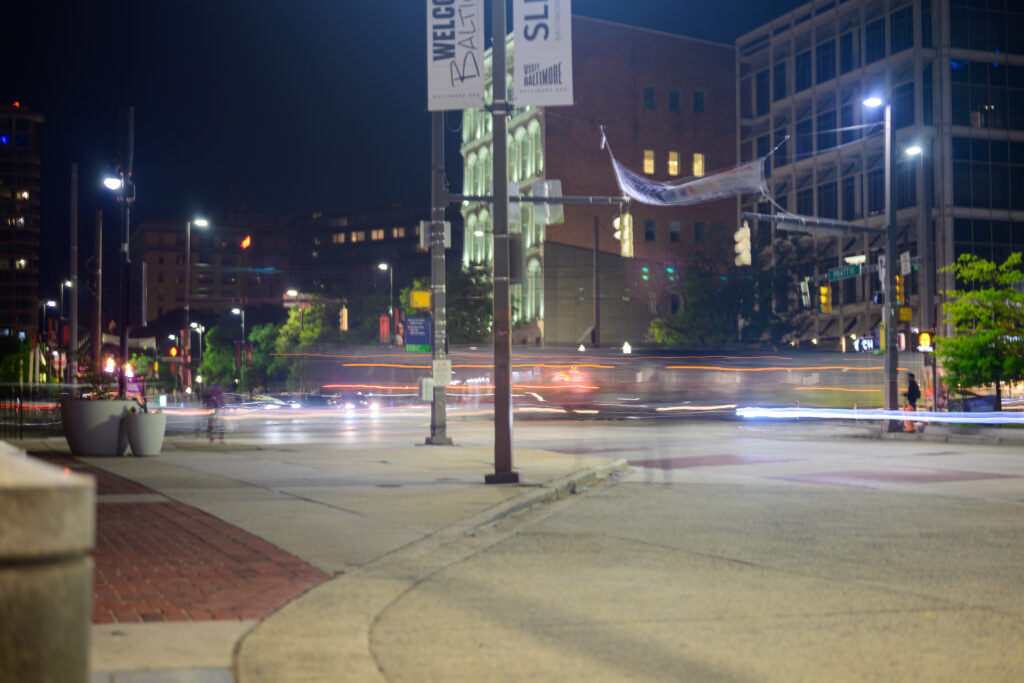
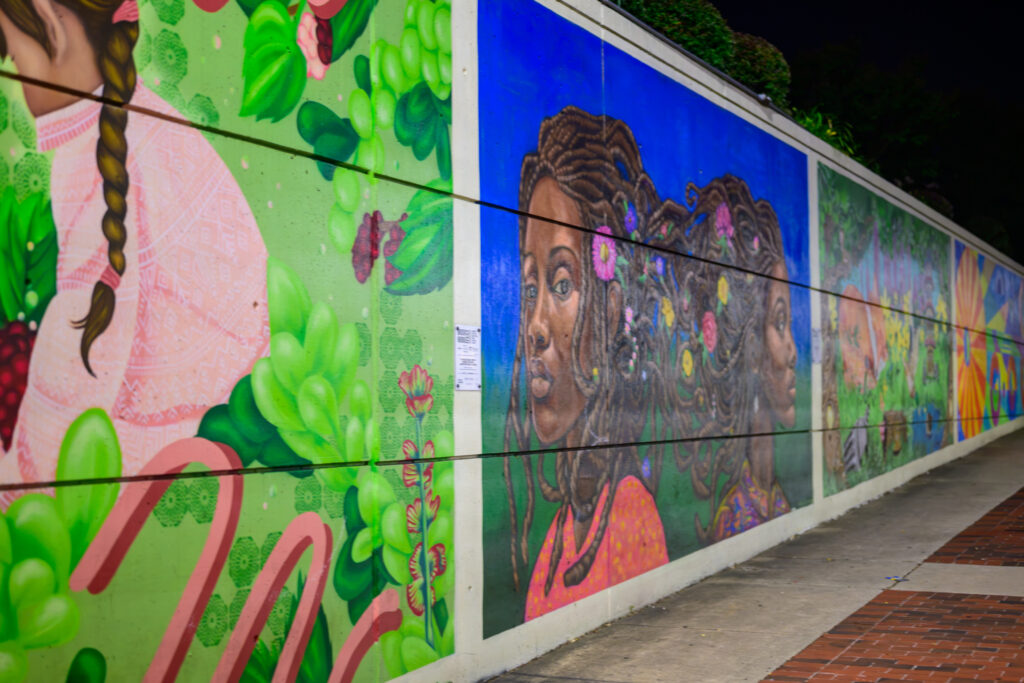
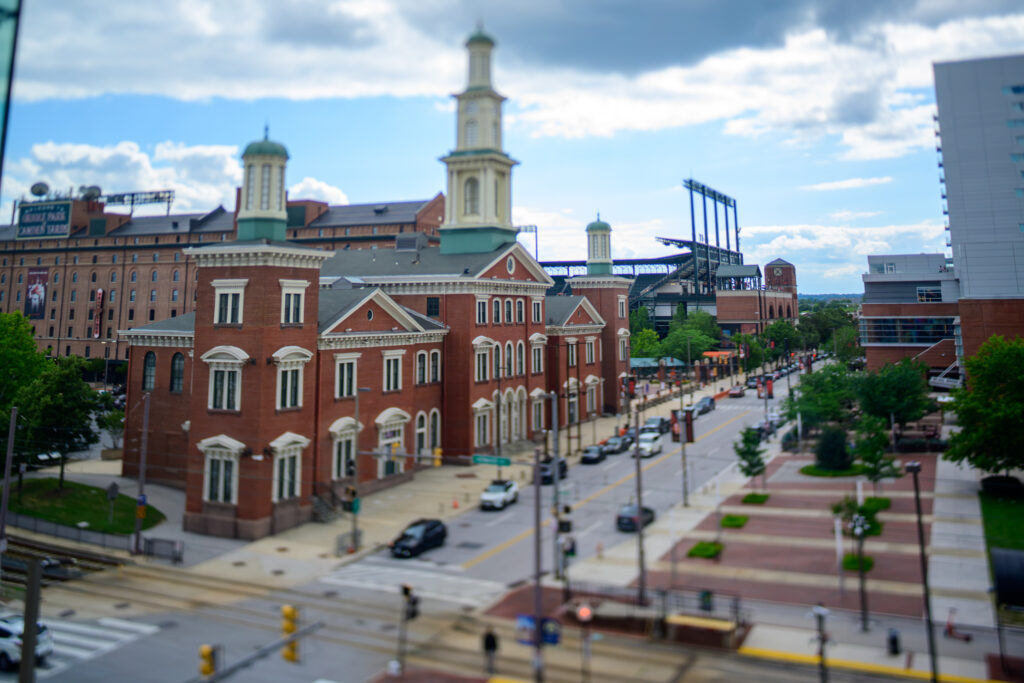
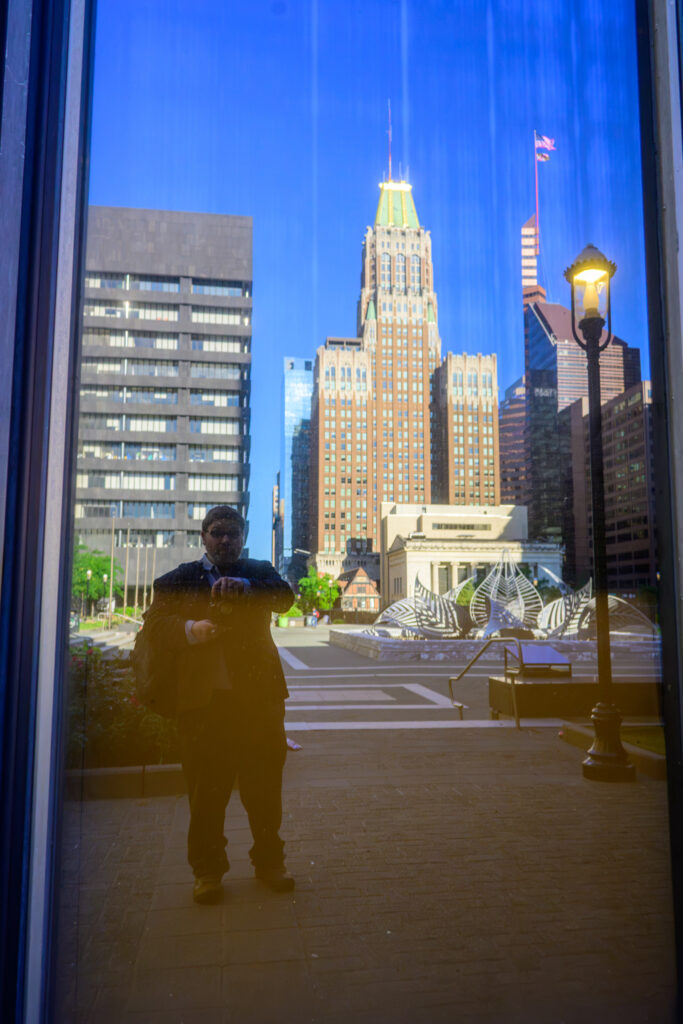
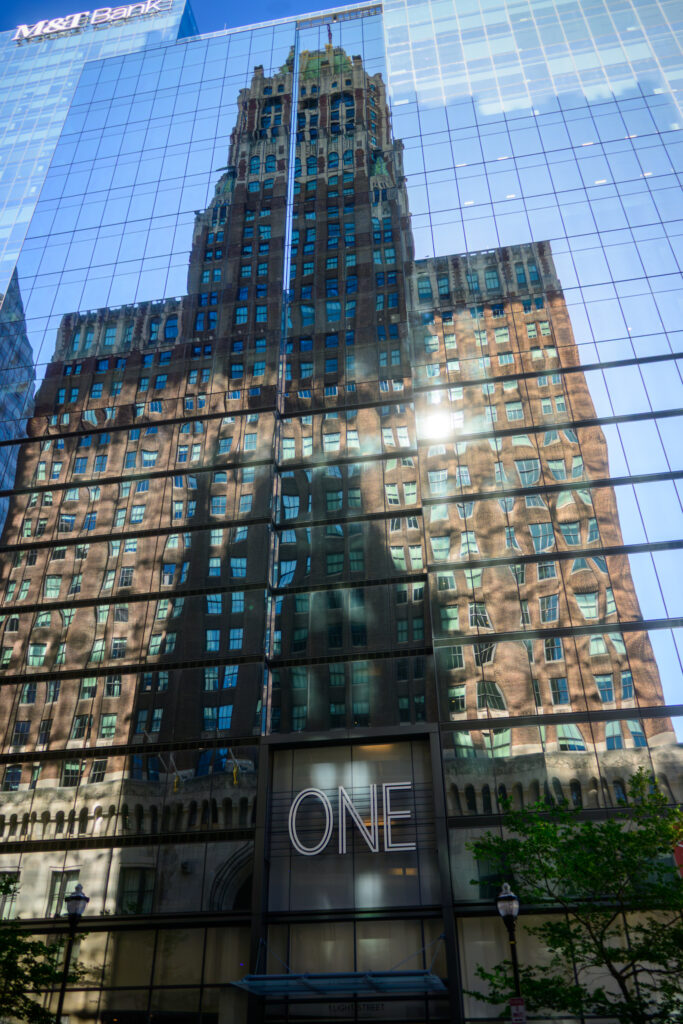
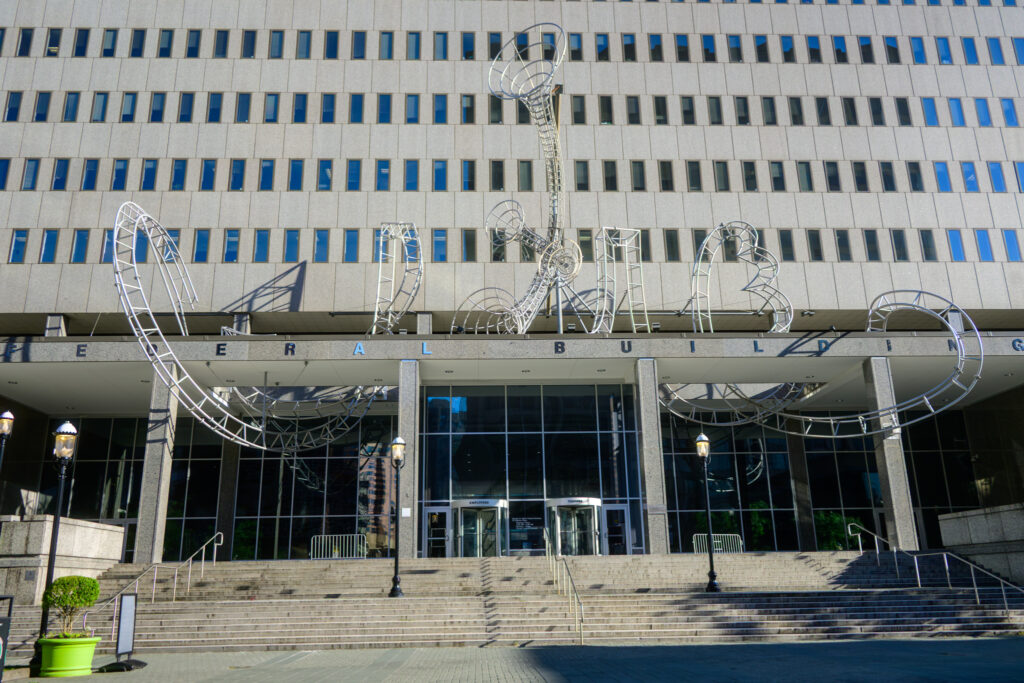
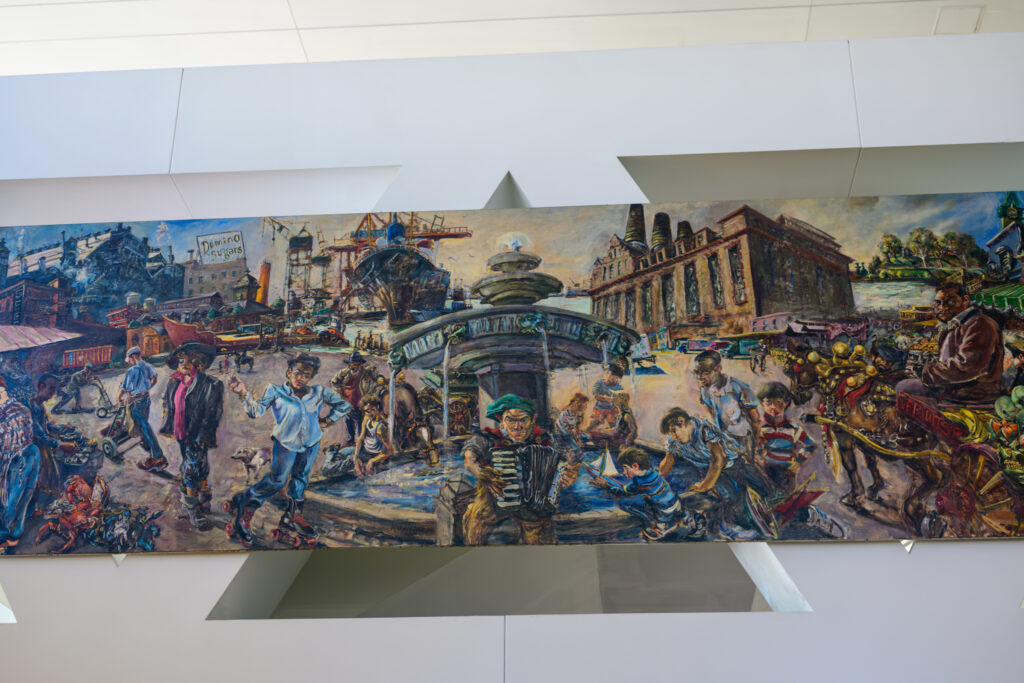
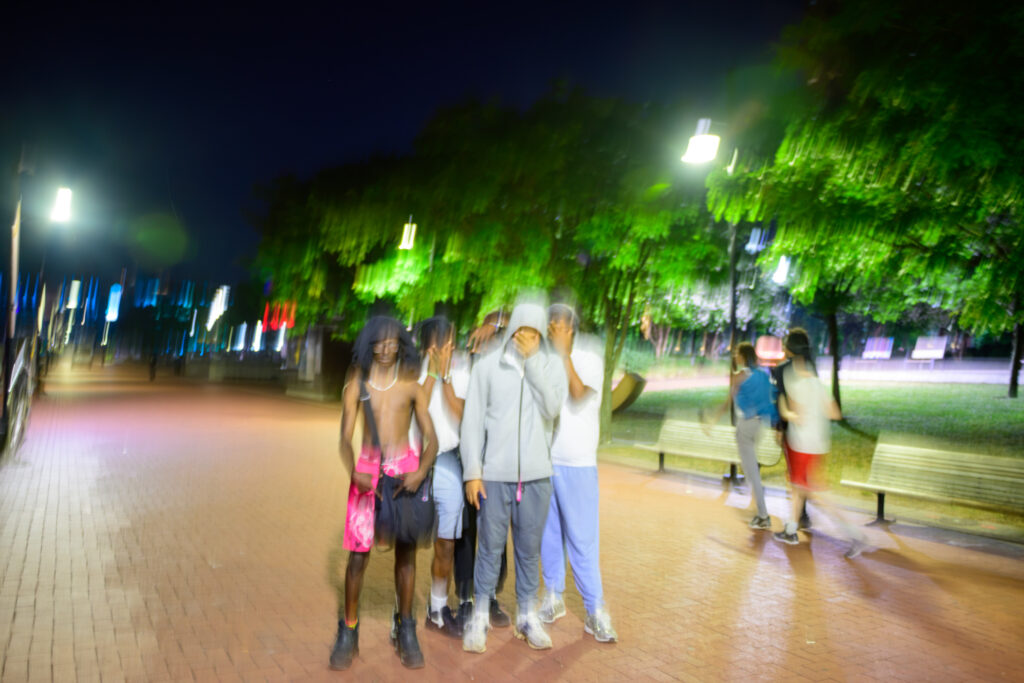
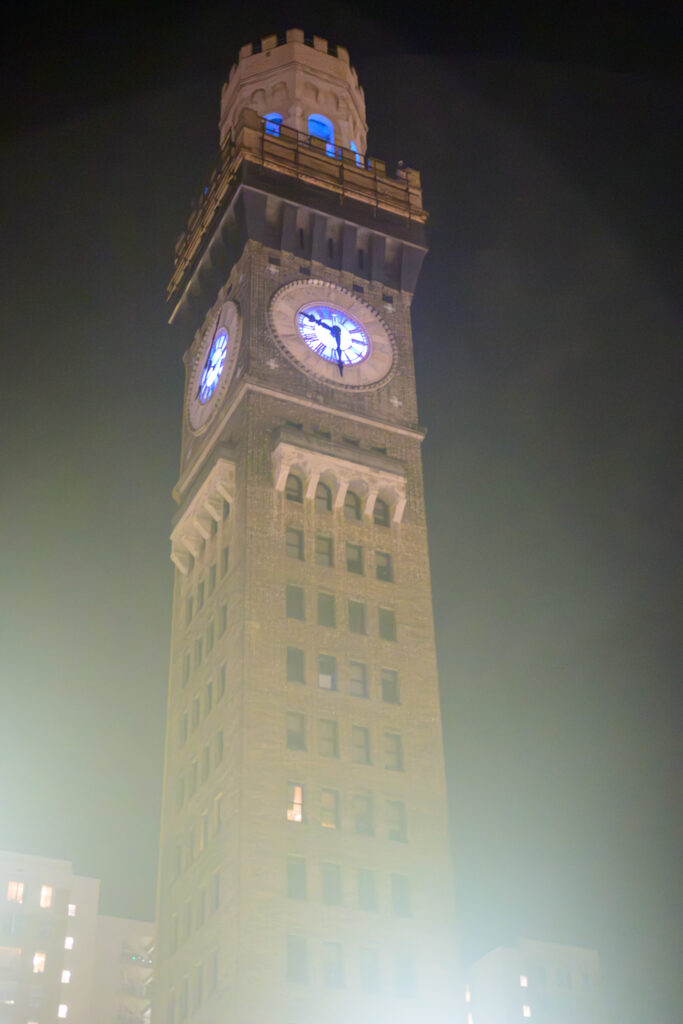
The Wire played on a loop in my head the entire week. It was my first time in Baltimore, and I spent my downtime exploring the Inner Harbor waterfront. I took a Lyft (ugh) scooter through the narrow, red-brick neighborhoods to grab a Peanut Power Plus Chocolate smoothie from Smoothie King, noticing heavy police activity everywhere I went.
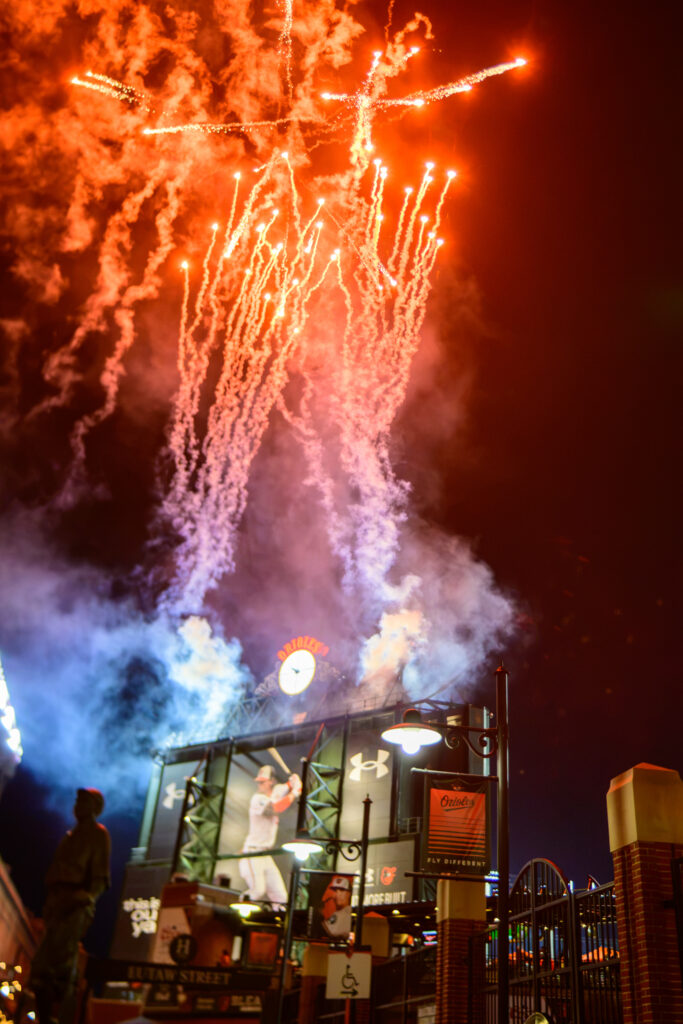
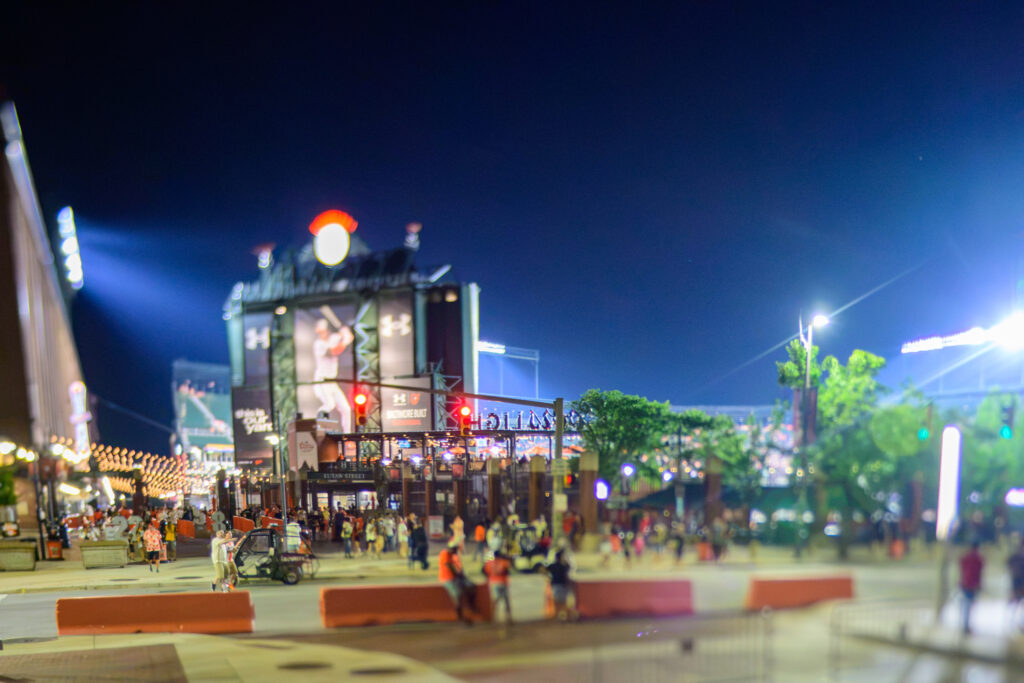
I stayed at the Marriott Camden Yards, two blocks from the Orioles stadium. During a Friday night game, I took my camera out with a tilt lens, captured some fireworks as the stadium emptied, and observed two ICE agents lingering in the street – an unnerving presence that serves IMHO no productive purpose. On a lighter note, I found a fantastic Afghan restaurant nearby and ate there three times, living on falafel, spinach sabzi, pumpkin, and raisin-carrot basmati (I believe it is) rice!


Logistics: The 10-Hour Drive
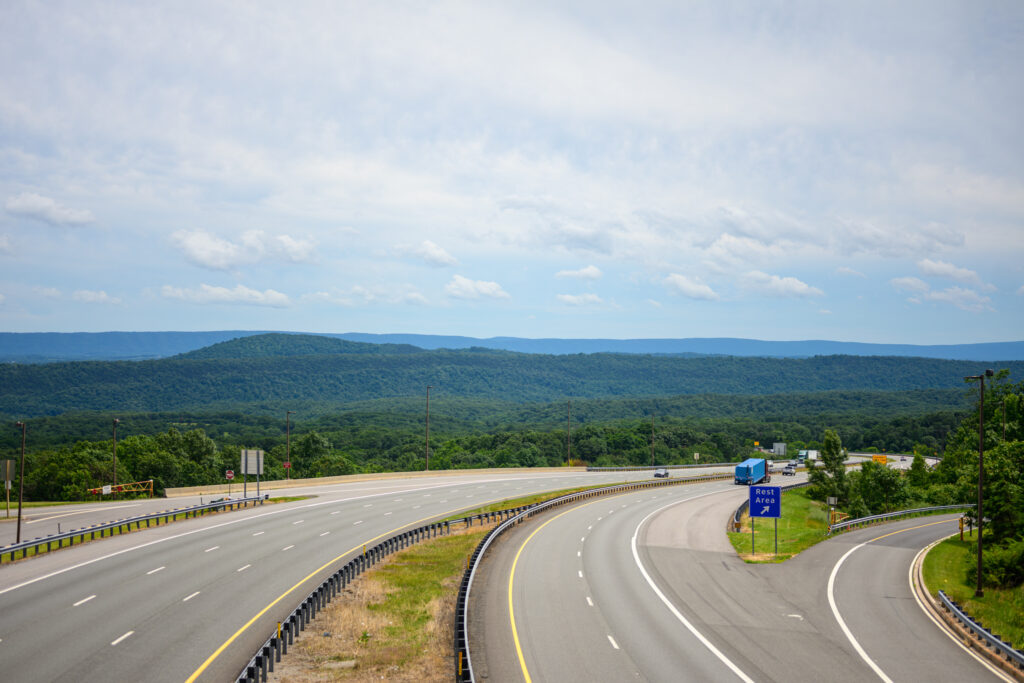
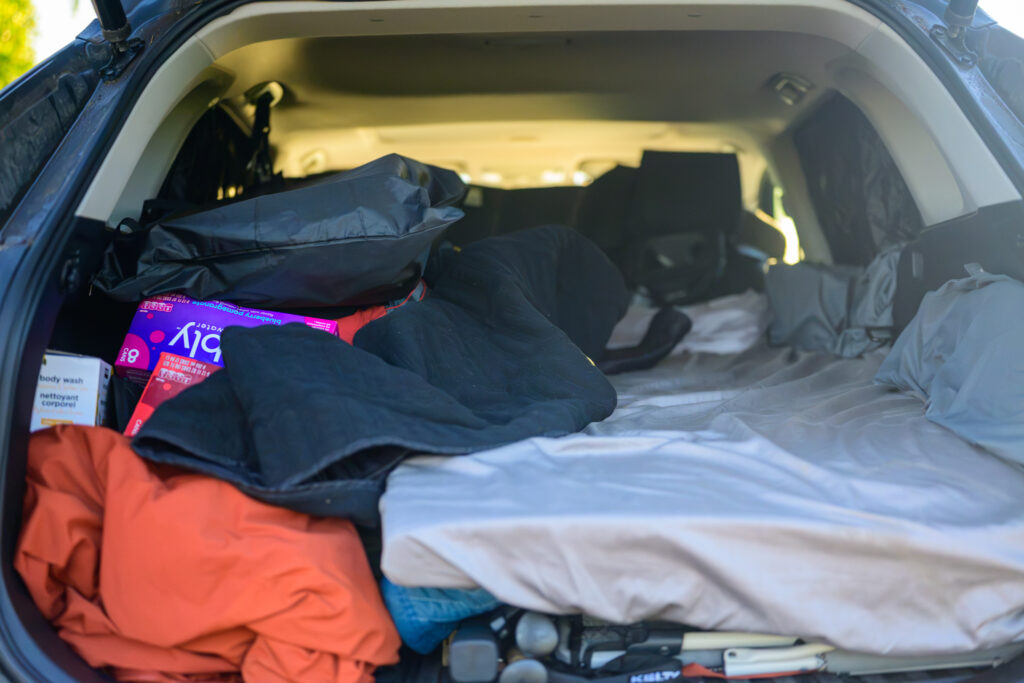
I take road safety seriously. I allocate a full 48 hours for a 10-hour drive, keeping a mattress topper set up in the back of my vehicle to pull over and take 2-to-3-hour naps exactly when I need them.
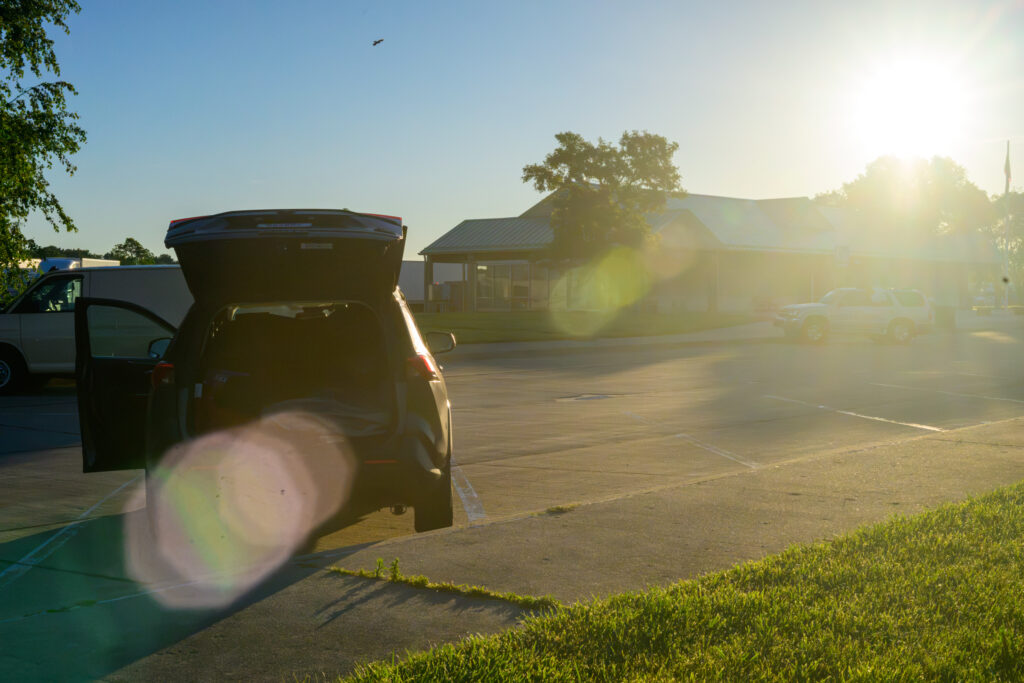
The outbound trip took over 12 hours of total transit time over two days, with three long naps and a hotel stop, followed by a stay with a friend an hour outside the city. The return trip went flawlessly: I left around 11:00 AM, rested four times at different stops (including a long rest overnight), and pulled in by noon the next day. For full transparency, I utilize a Comma AI device. It helps handle interstate driving well, while monitoring my face and eyes; if I show signs of distraction or sleepiness, it reacts immediately, allowing me to safely assist only as needed.

Created by: Solomon Briggs (Narcoplexic)
June 2026
https://narcoplexic.com/beyond-sleepy-sleep-2026 © 2026 by Solomon Briggs is licensed under CC BY-NC-ND 4.0


– Credit must be given to you, the creator.
– Only noncommercial use of your work is permitted. Noncommercial means not primarily intended for or directed towards commercial advantage or monetary compensation.
= No derivatives or adaptations of your work are permitted.
To view a copy of this license, visit https://creativecommons.org/licenses/by-nc-nd/4.0/
“You may use this tool for non-commercial purposes, but must credit Solomon Briggs.”
Bronzun365 June 26, 2026
One word – DOPE! Great meeting you!
Sol June 29, 2026 — Post Author
Was fun talking camera stuff, I hope you are able to get yourself a nice rig and enjoy it! Great meeting you as well!